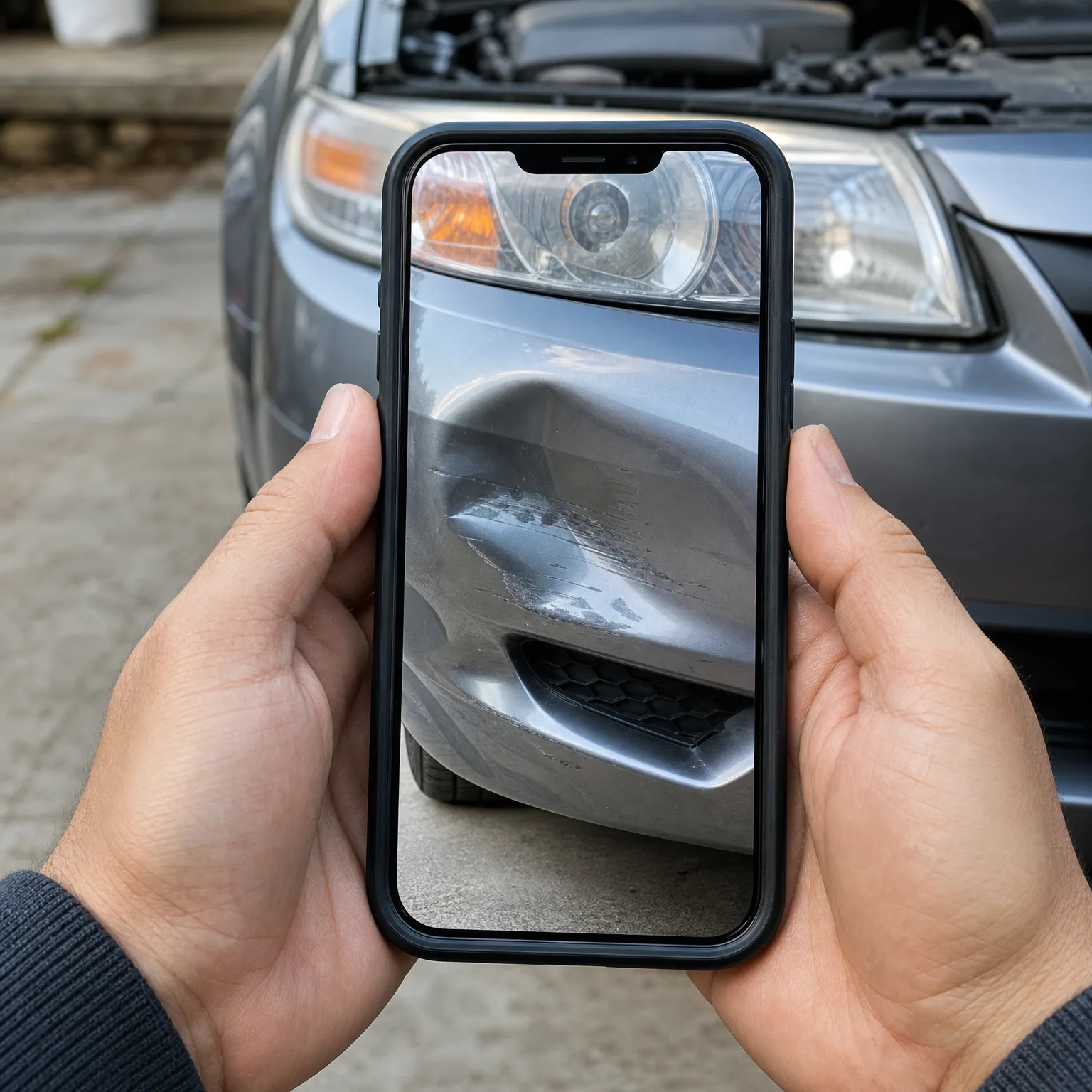
A Totaled Car With a Loan
The insurer pays the car's value to your lender first, and you only get money if that payout covers what you still owe.
What actually happens after a totaled car with a loan
- The lender gets paid first Your lender is the loss payee, so the insurance payout goes to them before you see anything. This is normal and written into your loan, not a sign of trouble.
- A gap can still exist If you owe more than the car was worth, the payout may not cover the full loan balance. Check whether you have gap coverage, since that's what fills the difference.
- Value is based on the car The payout is set by the car's market value right before the loss, not by what you owe. A newer loan or a big down payment changes how big any gap is.
- You may still owe money If there's no gap coverage, you could owe the leftover balance directly to the lender even though the car is gone. Ask the lender early what the payoff process looks like.
- The loan ends once it's settled Once the insurer and any gap coverage pay out and the lender confirms the balance is zero, the loan closes. Get that confirmation in writing before you consider it done.
The short version
When a financed car is totaled, the insurer pays your lender first, based on the car's value, not your loan balance. If you owe more than the car was worth, gap coverage is what covers the difference. Check now whether you have it, before anything happens.
A driver finds out their payout doesn't cover the loan
A driver financing a car through a credit union gets into an accident that totals it. The insurer values the car and sends that amount to the credit union as the loss payee, which the driver expected since the loan paperwork mentioned it. What the driver didn't expect was that the payout was lower than the remaining loan balance, since the car had lost value faster than the loan had been paid down.
The driver called the credit union to ask what happens to the difference and learned there was no gap coverage on the policy. The leftover balance became a personal debt owed directly to the lender, separate from the totaled car. The driver worked out a payment plan for that remainder and, once it was paid, got written confirmation that the loan was closed. The experience didn't change what happened this time, but it changed what the driver checked for on the next car loan.
Compare quotes that include gap coverage so a totaled car never leaves you paying for a vehicle you no longer have.
Why the payout and the loan balance can be two different numbers
Insurance pays for the value of what was lost, not for what you owe someone else. The car's value is set by its condition, age, and mileage right before the accident, independent of your loan terms. A loan balance shrinks on a schedule set when you signed it, while a car's value drops on its own curve, and those two lines rarely match exactly.
Early in a loan, you typically owe more than the car is worth, since little of the principal has been paid down yet. That's the exact window where a gap between payout and balance is most likely to open up. As the loan matures, the balance and the value tend to get closer together, and the risk of a real gap shrinks.
Lenders require insurance because the car is their collateral until the loan is paid off. That's why they're listed as loss payee and why the payout goes to them directly instead of to you. It isn't a penalty or a sign of distrust, it's just how a secured loan works everywhere.
What varies is whether gap coverage is required, included, or something you add yourself, and that depends on your lender and your insurer. Some lenders require it as a loan condition, others leave it optional. Check your loan agreement and your policy directly, since assuming either way can leave you exposed or paying for coverage you didn't need.

Do I still need gap coverage once my loan is partly paid down?
Maybe not, but it depends on how the loan balance and the car's value compare right now, not on how much time has passed. Gap coverage exists to cover the difference between what you owe and what the car is worth, so once your loan balance drops below the car's likely payout value, the coverage has nothing left to do.
The only way to know is to compare the two numbers directly, using your current loan balance and a realistic estimate of what your car would sell for today. If the balance is already lower, you can likely drop gap coverage without exposing yourself to a payout shortfall. If you're unsure, ask your insurer or lender to walk through the comparison with you, since guessing in either direction can cost you.