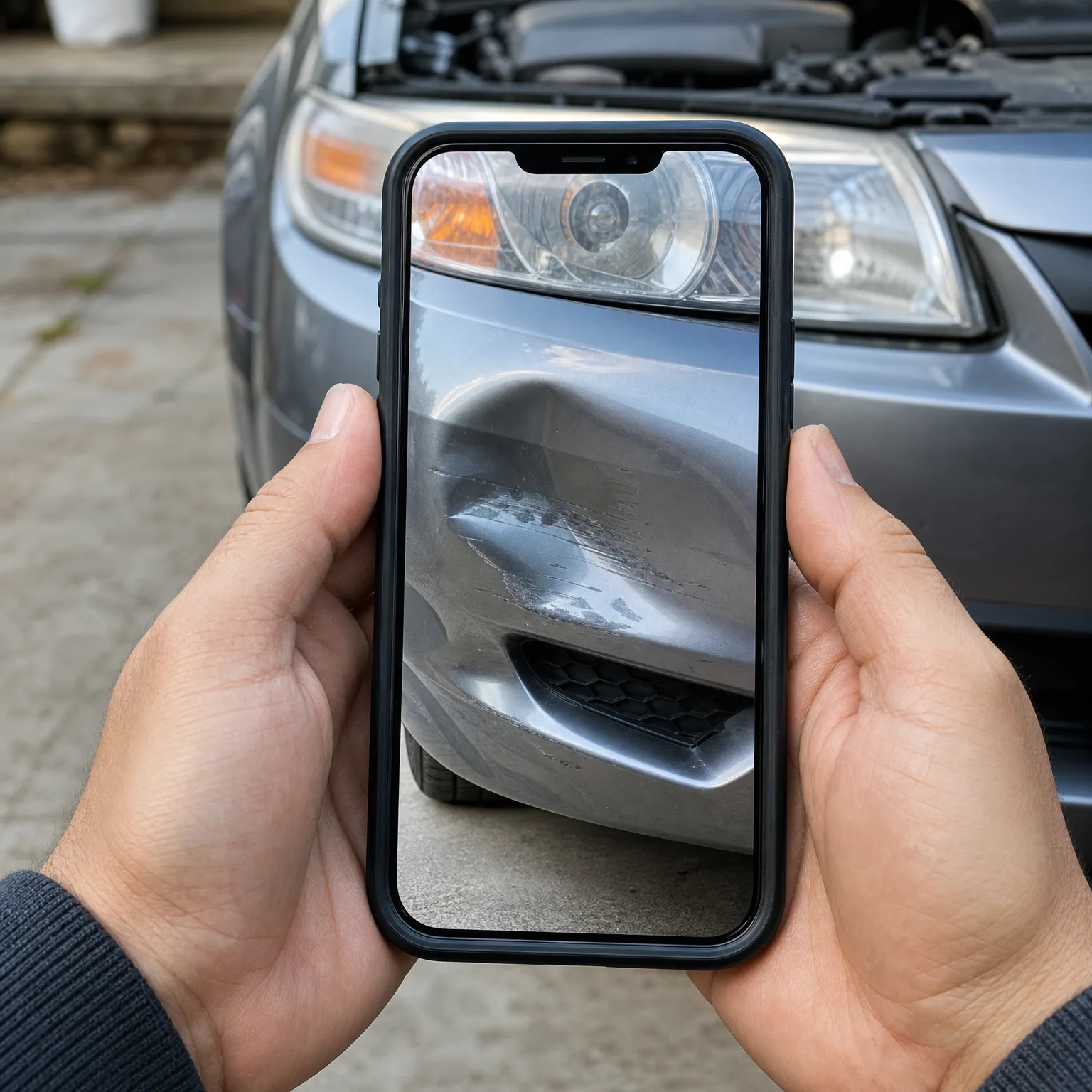
Car Insurance Rules When You Have a Car Loan
Your lender requires insurance that protects the car's value, not just the state minimum, until the loan is paid off.

Lowering coverage after three years of on-time payments
A driver had been paying down a car loan for three years and wanted to see if coverage could change. They checked the loan payoff amount against the car's current value and found the gap had narrowed. They called the lender to ask what the loan agreement actually required, since the original paperwork was long gone, and learned the requirement was for coverage against damage and theft, not any specific deductible or add-on.
With that confirmed, they raised the deductible to lower the monthly cost, since the lender had no rule against that, only a rule that the coverage type stay in place. They also asked about the loss payee listed on the policy and confirmed it was still accurate. The change lowered their payment without breaking any loan term, and they kept a note of the lender's answer in case anyone asked later.
What happens to my insurance requirements once the loan is paid off?
Once the loan is paid off, the lender's requirements end with it. The lender is removed as loss payee, and you're free to choose any coverage level that fits your own situation and budget, without needing to satisfy anyone else's rule.
At that point the decision becomes entirely about what you'd want to cover out of pocket if something happened to the car. People often keep similar coverage for a while out of habit, but it's worth a fresh look rather than just continuing what the loan once required. Check your state's rules on minimum coverage, since that floor still applies regardless of the loan.

Whether you keep coverage at the level your lender requires
If you do
Your policy stays in line with the loan agreement, so there's no risk of the lender stepping in. If the car is damaged or stolen, the payout is enough to satisfy the loan balance, protecting both your credit and your ability to keep driving without a gap in coverage.
If you don't
If coverage drops below what the loan requires, the lender can add its own policy to protect their interest, usually at a higher cost than what you'd choose yourself. You may not find out until a notice arrives, and reversing it can take time and calls.
Now that you know what your lender actually requires, compare quotes that meet it without paying for more than you need.

What is a loss payee and why does it matter on my policy?
A loss payee is the lender listed on your policy who has a financial stake in the car and must be paid directly if it's totaled or stolen. It matters because insurers are required to notify the loss payee of any lapse or cancellation, which is how lenders find out if coverage drops. Check your declarations page to confirm the lender is listed correctly, especially after refinancing, since an outdated loss payee can delay a claim payout.
What happens if my car is totaled and I still owe more than it's worth?
Your standard policy pays out the car's current value, not what you still owe, which can leave a gap you're responsible for. This is where gap coverage matters, since it covers that difference, and it's worth checking whether your loan required it or whether you added it separately. If you don't have it, ask your lender how they expect that gap to be handled before you owe anything.
Can I switch insurance companies in the middle of a car loan?
Yes, switching insurers mid-loan is allowed as long as the new policy meets the same lender requirements and lists the lender as loss payee from day one. The main thing to check is that there's no gap between canceling the old policy and starting the new one, since even a short lapse can trigger a notice to your lender. Confirm the new insurer sends proof of coverage directly to the lender.
The loan sets a floor for your coverage, not a fixed plan, so shape the rest around what you need.