Dropping Coverage After the Loan Is Paid
Once the loan is paid off, the lender's insurance requirement disappears and the choice becomes entirely yours.
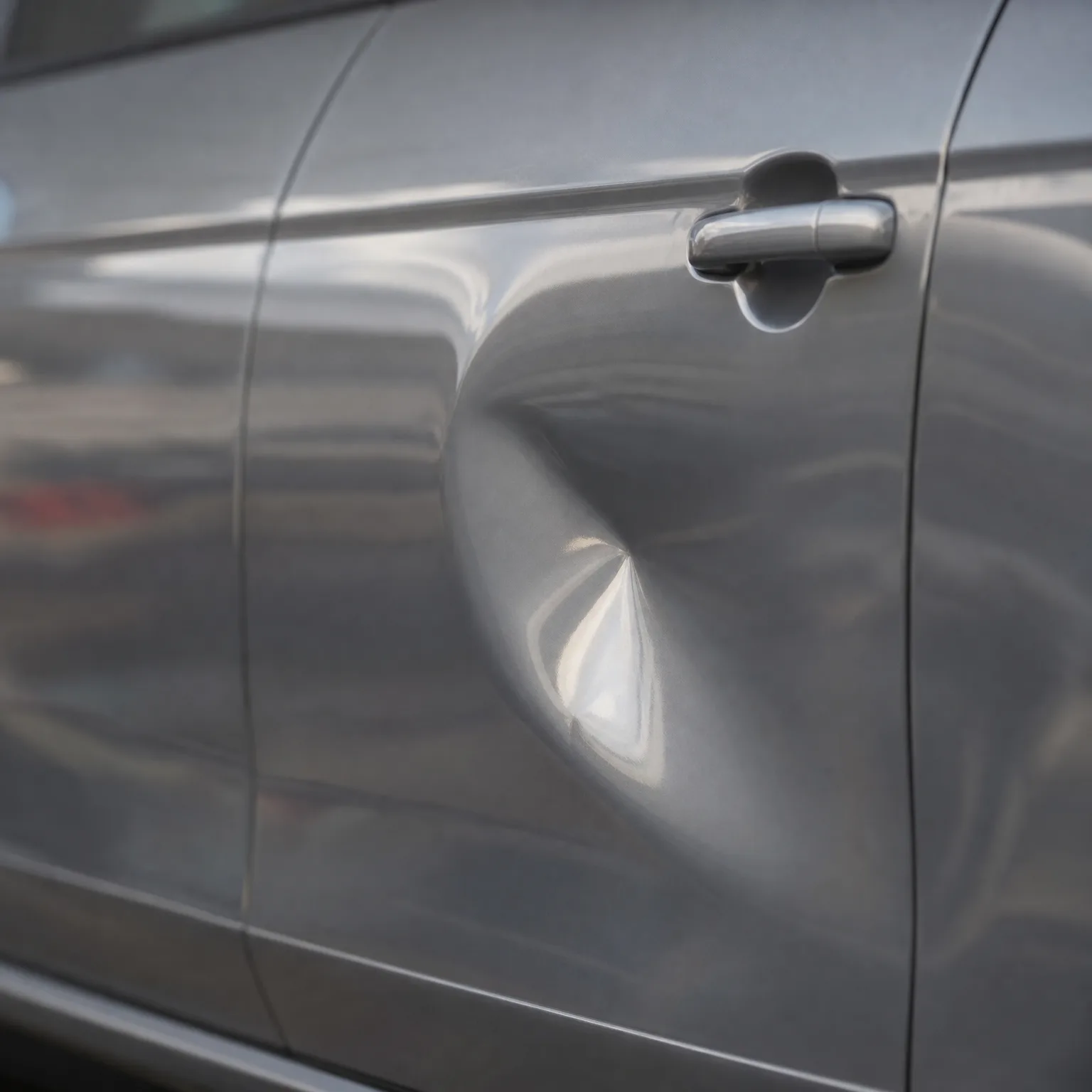
A paid-off commuter car with ten more years of life in it
A driver finishes paying off a car they bought used, with a loan that required full coverage the whole time. The car runs well and they expect to keep driving it for years. Once the final payment clears and the lender sends the title, they start wondering if they still need comprehensive and collision, since nobody is requiring it anymore.
They look up what the car is worth now, compare it to what they'd pay in premium for comprehensive and collision over a year, and think about whether they have savings to cover a totaled car without insurance. The number isn't small, but the car is still worth enough, and they don't have much set aside, so they decide to keep both coverages for now. They set a reminder to run the same comparison again next year, since the car's value will keep dropping while their emergency fund grows.
What happens to my premium if I drop comprehensive and collision?
Your premium drops, often substantially, because comprehensive and collision are usually the most expensive parts of a policy. What's left is liability coverage, which pays for damage and injuries you cause to others but nothing for your own car.
How much you save depends on your car, your driving record, and your insurer, so the only way to know your real number is to ask for a quote both ways. Some drivers find the savings modest once they account for how cheap their comprehensive and collision already was on an older car. Get the actual figures before deciding, rather than assuming the drop will be dramatic.

Dropping comprehensive and collision once the loan is gone
If you do
You stop paying for coverage on your own car. If it's stolen, flooded, or totaled in a crash you cause, you pay to replace or repair it yourself. Your premium drops right away. This makes sense if the car's value is low and you could cover a total loss without financial strain.
If you don't
You keep paying premiums sized for a car that may be worth much less than when the policy started. Your car stays protected against theft, weather, and at-fault accidents. This makes sense if the car still holds real value or you couldn't easily replace it out of pocket.
Now that you know what to keep and what to drop, compare quotes to see what your policy would actually cost either way.
What to check before you drop coverage
- Current car value Look up what your car is actually worth now, not what you paid. If comprehensive and collision cost a large share of that value each year, dropping them starts to make more sense.
- Your emergency fund If the car were totaled tomorrow, could you replace it without a loan or without comprehensive and collision payouts? If not, keeping coverage protects you more than it costs you.
- State minimum liability Liability coverage is still required everywhere once the loan is gone. Check your state's minimum limits and decide whether to carry more than that minimum.
- Gap coverage cancellation If you had gap coverage because you owed more than the car was worth, it's no longer needed once the loan is paid. Call your insurer to confirm it's removed and you're not still paying for it.
- New loss payee status Your lender was listed as loss payee on the policy while the loan existed. Confirm with your insurer that this has been removed, since it no longer applies and shouldn't affect your claims.
Why the rules change the moment the loan ends
A lender requires comprehensive and collision coverage because the car is collateral for the loan. If it's destroyed and you stop paying, the lender needs a way to recover their money, and insurance is that mechanism. The requirement has nothing to do with your safety or your finances. It exists purely to protect the lender's stake in a car they partly own until the loan is settled.
Once you make the final payment and the title transfers fully to you, that stake disappears. Nobody has a financial interest in your car except you. The insurance requirement tied to the loan ends with it, and what remains is only what your state requires, which is almost always liability coverage to protect other people, not your own vehicle.
This is also where the decision becomes genuinely yours to weigh. Comprehensive and collision now protect your own asset, not someone else's claim on it. Whether to keep them depends on what the car is worth, what you could afford to lose, and how exposed you'd be without that payout. There's no rule telling you the right answer, because the risk has shifted entirely onto you.
The main case where this works out differently is a car that's still worth quite a lot once the loan ends, perhaps because it held its value well or the loan was paid off early. In that case dropping coverage saves money in the short term but leaves a lot of value exposed. The reverse is also common, an older car worth very little, where comprehensive and collision cost more in premium over time than the car is worth replacing.