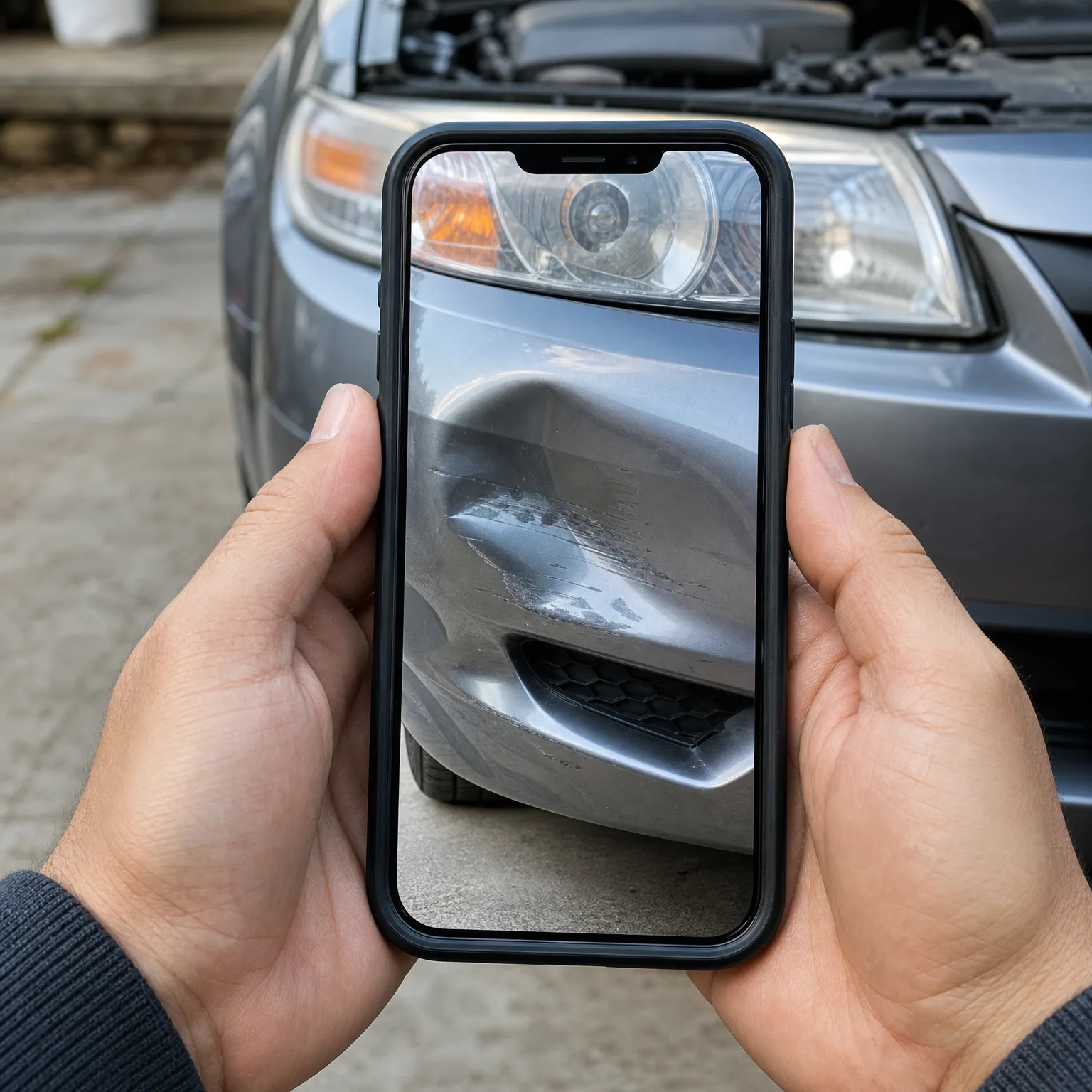
Full Coverage Requirements on Financed Cars
Your lender requires comprehensive and collision coverage with a deductible they approve, for as long as the loan exists.
The lender has a financial stake in the car, so they protect it
When you finance a car, the lender technically owns part of it until the loan is paid off. The car is their collateral. If it's wrecked or stolen and you have no insurance, their collateral disappears and they have no way to recover what you still owe. That's the entire reason the requirement exists, and it's not about you personally, it's about the asset backing the loan.
This is why the requirement covers physical damage to the car itself, not just liability for other people. Liability insurance is required by your state regardless of financing, but it doesn't pay to repair or replace your car. Comprehensive and collision do. Lenders require both because either one, a collision or a non-collision event like theft or weather, could total the car and erase their collateral.
The deductible rules exist for a similar reason. If your deductible is too high, a claim might not generate enough payout to make the lender whole after a serious loss. That's why lenders often cap how high your deductible can go, even though they don't control it directly. Check your loan agreement for the actual cap, since it varies by lender and sometimes by state.
Where this plays out differently is the gap between what you owe and what the car is worth. Insurance pays the car's value at the time of loss, not your loan balance. Early in a loan, or with a longer loan term, that gap can be real. Some lenders require a separate product to cover that gap, others don't. Whether you need it depends on your specific loan balance versus the car's value, which you can check at any time.
What happens if I total the car and still owe more than it's worth?
Your insurer pays out the car's actual cash value at the time of the accident, not what you still owe the lender. If your loan balance is higher than that payout, you owe the difference out of pocket, in a lump sum, even though the car is gone.
This gap is most common early in a loan or with longer loan terms, where the loan balance drops slower than the car's value does. A separate coverage exists specifically to close this gap, and some lenders require it as part of financing. Check your loan paperwork to see if it was already included, and if not, decide based on your current loan balance versus the car's value whether it's worth adding.

This coverage protects you from owing money on a car you no longer have, not just the lender's collateral.
Once you know the coverage and deductible your loan requires, compare quotes that meet it at the best price.

Letting coverage lapse while the loan is active
If you do
If you do let it lapse, your lender finds out through monitoring, often within weeks. They buy a force-placed policy on your behalf, covering only their interest in the car, and add the cost to your loan. This coverage is typically more expensive and protects you far less.
If you don't
If you keep coverage active without a gap, the lender never intervenes and never adds anything to your loan. You stay free to shop for better rates, change insurers, or adjust your deductible within their rules. The only thing that changes is your own policy, on your own terms.
What is a loss payee on a car insurance policy?
A loss payee is the lender listed on your policy who gets paid first if the car is totaled or stolen, before any remaining money comes to you. It's how the lender protects its financial stake without holding the policy itself. You'll see this listed on your declarations page, usually as the lender's name and an address. Once the loan is paid off, you should contact your insurer to remove the loss payee, since leaving it on can complicate or delay a future claim payout even though the lender no longer has any legal interest in the car.
Can I lower my coverage before the loan is paid off?
Generally no, not below what your loan agreement specifies, since the lender's requirement stays in place for the life of the loan. You can usually raise your deductible up to whatever cap the loan allows, which lowers your premium somewhat. Check your loan agreement for the exact deductible ceiling, since it's set by the lender and varies. Once the loan is fully paid off, the requirement disappears entirely and you're free to drop comprehensive and collision or raise your deductible as high as you want, based purely on what you can afford to pay out of pocket.
Does paying off the loan early change my insurance requirements?
Yes, as soon as the loan is paid off, the lender's requirement ends immediately, regardless of how early that happens. You're no longer bound by their deductible rules or their minimum coverage types. At that point the decision becomes entirely yours, based on the car's value and what you could afford to replace it. Many people choose to keep similar coverage anyway, especially if the car is still worth a meaningful amount, but that's now a personal financial decision rather than a contractual one, and it's worth reviewing your policy once the loan closes.