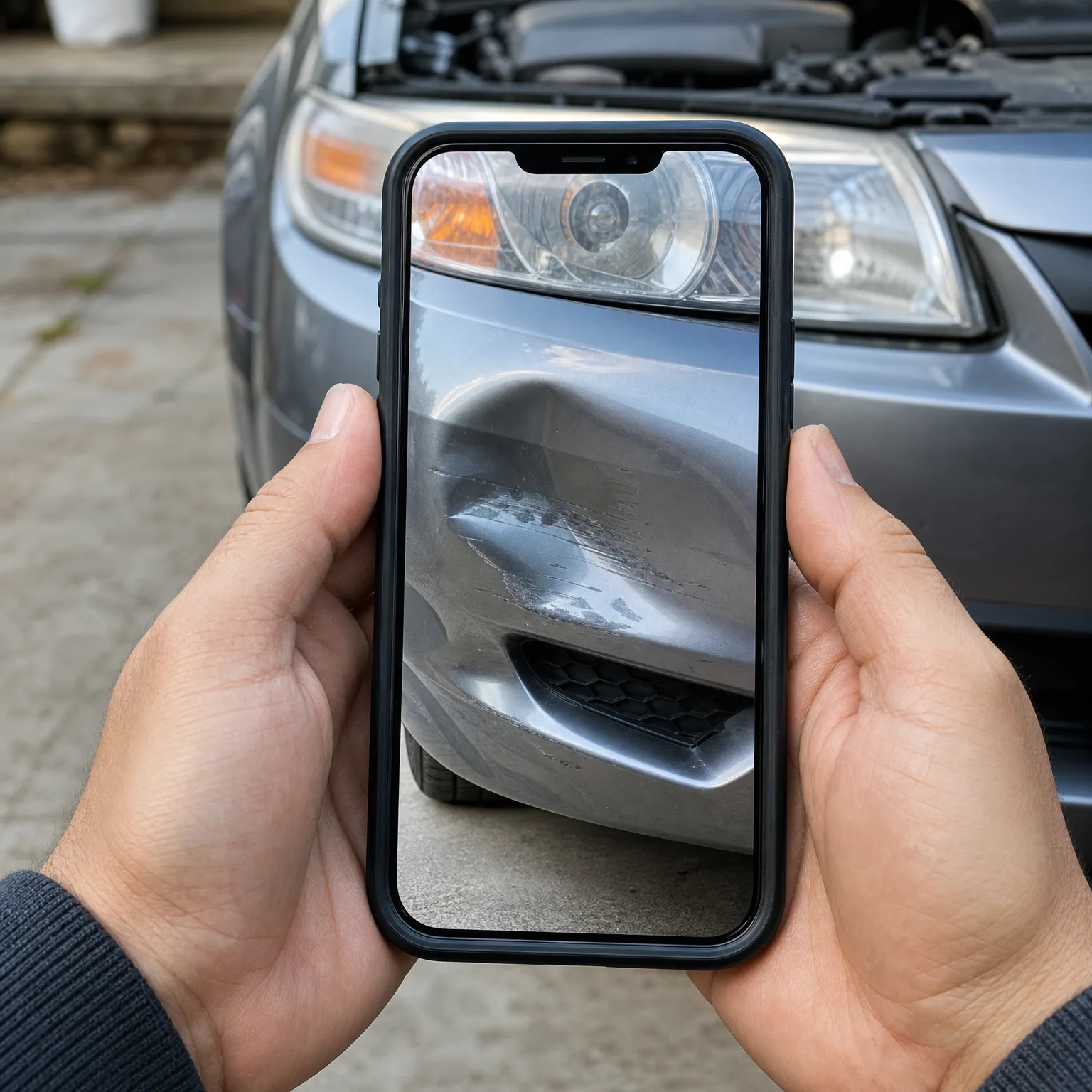
Gap Insurance When You Owe More Than the Car Is Worth
When you owe more than the car is worth, gap insurance pays that difference if the car is totaled, which your regular policy doesn't cover.
What to check before you decide on gap coverage
- Confirm you actually owe more Gap coverage only matters if your loan balance is higher than the car's value. Compare what you owe against what similar cars are selling for right now, not what you paid originally.
- Check your loan paperwork Some loans bundle gap coverage into the financing itself. Look at your loan paperwork or ask your lender directly instead of assuming you need to buy it separately.
- Compare insurer and lender price Gap coverage sold through your insurer is usually cheaper than the same coverage sold through the dealer or lender. Ask your insurer for a quote before accepting whatever the dealer offers.
- Know when you can drop it Gap coverage stops being useful once your loan balance drops below the car's value. Recalculate every so often and cancel it once the gap closes instead of paying for protection you no longer need.
- Read what counts as a total loss Your insurer, not you, decides when a car is totaled, usually based on repair cost versus value. Understand that threshold now so you're not surprised later if the car is damaged but repairable.
A driver finds out the payout won't cover the loan
A driver financed a car with a small down payment and a longer loan term. A year in, the car was totaled in an accident that wasn't their fault. Their insurer calculated the car's value and sent a payout based on that number, which is standard practice everywhere. The driver assumed the payout would clear the loan, since the car was their collateral.
It didn't. The loan balance was higher than the payout because the car had lost value faster than the loan had been paid down, which is common early in a loan. Because the driver had added gap coverage when they financed the car, the gap coverage paid the difference between the insurer's payout and the remaining loan balance. Without it, the driver would have owed money on a car they no longer had. They closed out the loan with no balance left and no payment coming out of pocket, and dropped the gap coverage from their new policy once they financed a replacement car with a larger down payment.
Now that you know whether you need gap coverage and where to buy it cheapest, compare quotes to see what it costs.

Whether you add gap coverage to your policy
If you do
If the car is totaled while you owe more than it's worth, the gap coverage pays the lender the difference between the insurance payout and your loan balance. You walk away without a loan on a car you no longer have, and without writing a check to close out the balance yourself.
If you don't
If the car is totaled and you owe more than it's worth, you still owe the lender that difference after the insurance payout. You'll need to pay it out of pocket, all at once, even though you no longer have a car to show for it.
Why the payout and the loan balance don't match
Car insurance pays out based on what the car is worth at the moment it's totaled, not what you paid for it and not what you still owe. That value drops the moment you drive it off the lot and keeps dropping every year, often faster than the loan balance shrinks, especially early in the loan or with a small down payment.
That mismatch is the entire reason gap coverage exists. It isn't protecting the car. It's protecting the loan, covering the specific difference between what the insurer decides the car was worth and what you still owe the lender. Once those two numbers meet, usually sometime in the middle of the loan, the gap closes and the coverage has nothing left to do.
Where this varies is in how gap coverage is sold and structured. Some lenders require it as a condition of the loan, especially for longer terms or smaller down payments. Some states regulate how it can be priced or sold through dealers. Some insurers fold it into a regular policy as an endorsement, while others sell it as a standalone product with its own rules about cancellation. Check your specific loan agreement and your insurer's policy language rather than assuming one setup applies everywhere.
The case where gap coverage doesn't matter at all is when you already owe less than the car is worth. If your down payment was large or your loan term is short, you may never owe more than the car's value, which means the gap never opens and the coverage pays for a situation that never happens.
How do I know when I can safely drop gap coverage?
You can drop it once your loan balance falls below the car's current market value, because at that point there's no gap left for the coverage to pay. The insurer would already pay enough to clear the loan if the car were totaled.
To check this, compare your current loan payoff amount, which your lender can give you directly, against what similar cars are actually selling for now, not what you paid. Do this every several months rather than once, because both numbers move. If you financed with a small down payment or a long loan term, it typically takes longer for the gap to close, so check more often early in the loan and less as you get closer to payoff.