
Is Loan Payoff the Same as Gap Coverage
No, loan payoff coverage and gap coverage solve the same problem but calculate what they pay you in different ways.
They cover the same gap but measure it differently
Both of these coverages exist to handle the same situation, where the car is totaled or stolen and the payout from your regular coverage falls short of what you still owe the lender. Without one of them, you'd be stuck paying off a loan for a car you no longer have. But the two aren't identical, because they calculate that shortfall using different formulas.
Gap coverage typically pays the exact difference between what your insurer values the car at and what you owe on the loan, with few extra restrictions. Loan payoff coverage, sometimes bundled into a broader policy add-on, often pays a set portion above the car's value instead of calculating the precise gap, and it may cap what it pays or exclude certain fees rolled into your loan, like extended warranties or back payments.
The practical effect is that loan payoff coverage can sometimes leave you short if your loan included a lot of extras, while gap coverage is built specifically to zero out the loan balance. Insurers structure these differently, so one isn't universally better, it depends on how your particular loan is set up and what each option actually promises to pay.
Which one your insurer offers, and what it's called, varies by company and sometimes by state. Check your policy documents or ask directly whether the coverage pays the full difference or a capped amount, and whether fees rolled into your loan are included.
A driver compares the two before renewing
A driver financing a car through a credit union noticed their declarations page listed a loan payoff add-on, not gap coverage by name. They weren't sure if that meant the same protection, since they still owed more than the car was worth after a couple years of payments that barely dented the loan balance. They called their insurer to ask exactly what the add-on paid out.
The agent explained their loan payoff coverage capped the extra payout at a set portion above the car's value, and it wouldn't cover the service contract they'd rolled into the loan. The driver did the math, compared it to what gap coverage would cost instead, and found gap coverage would fully close that shortfall for a small difference in premium. They switched before their renewal, confirmed the new coverage in writing, and kept the paperwork with their loan documents in case they ever needed to file a claim.

Confirming exactly what your add-on pays before you need it
If you do
You call your insurer, ask whether your coverage pays the full gap or a capped amount, and get the answer in writing. You know exactly what happens if the car is totaled tomorrow, and you can adjust coverage now while you still have options, before a claim forces the question.
If you don't
You assume your add-on works like gap coverage without checking. If the car is totaled, you find out during the claim that your payout fell short of the loan balance. You're left paying the difference out of pocket at the worst possible time, with no way to go back and fix the coverage retroactively.
Once you know which coverage actually closes your loan gap, compare quotes that include it correctly.
Can I switch from loan payoff coverage to gap coverage mid-policy?
Usually yes. Most insurers let you add, drop, or swap this kind of coverage at any point during your policy term, not just at renewal, since it's typically a separate add-on rather than something baked into your base premium calculation.
Call your insurer directly and ask them to walk through the change, including any adjustment to your premium and when the new coverage takes effect. Some insurers process the switch immediately, others may have it take effect at the start of your next billing cycle, so confirm the effective date in writing before you consider yourself covered under the new terms.
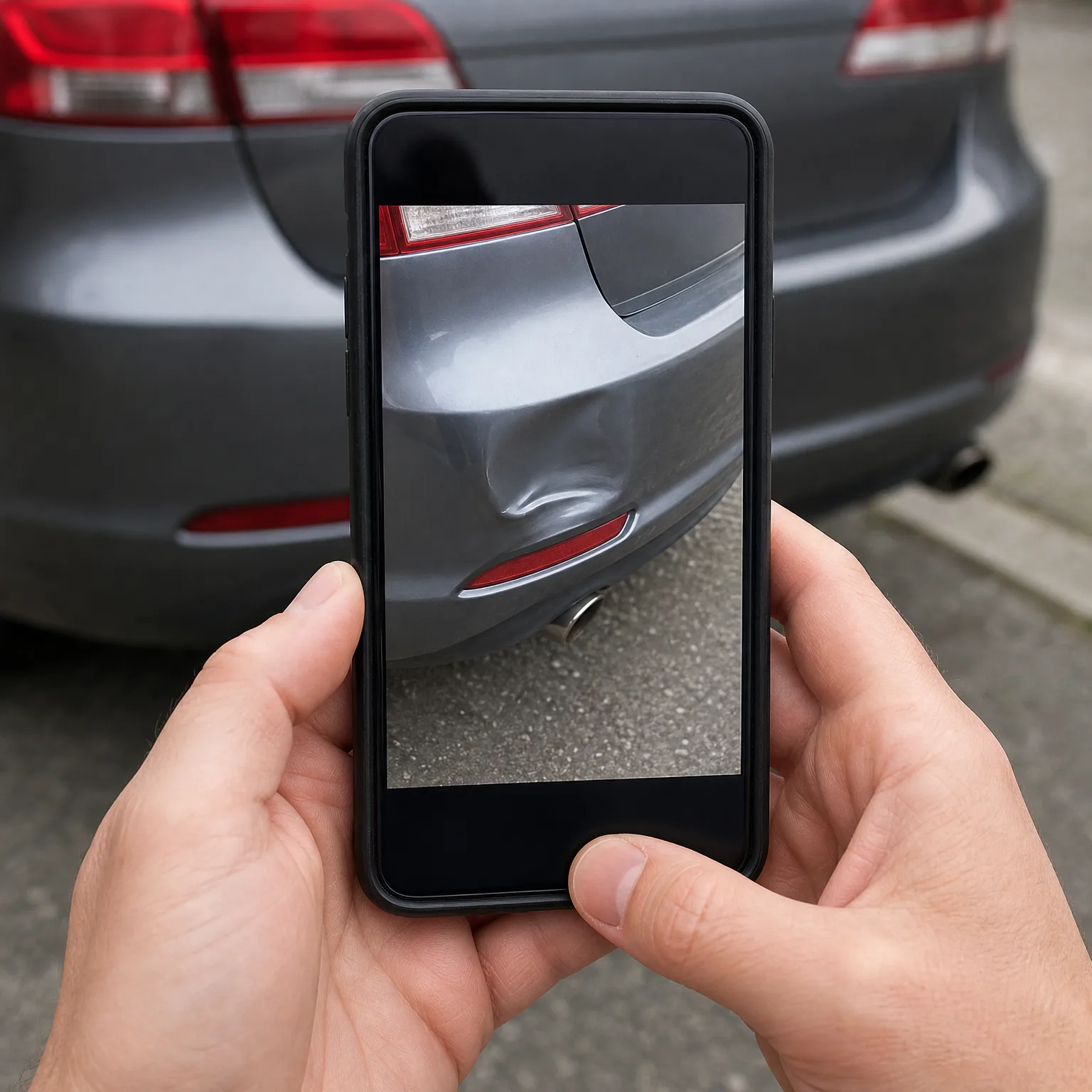
What to check before you assume your coverage matches your loan
- Ask for the payout formula Find out if your add-on pays the exact gap or a capped percentage above value. This single detail decides whether you're fully protected or partly exposed if the car is totaled.
- Check what fees are included Loans with rolled-in extras like warranties or back payments aren't always covered by loan payoff add-ons. Ask specifically whether those amounts are included or excluded from the payout.
- Compare the premium difference Gap coverage and loan payoff add-ons rarely cost the same. Get both quotes side by side so you're choosing based on actual numbers, not assumptions about which is cheaper.
- Get the terms in writing Verbal explanations from an agent aren't what pays your claim, the policy language is. Request written confirmation of exactly what's covered before you rely on it.
- Recheck after refinancing If you refinance or extend your loan, the gap between value and balance can change. Revisit this coverage whenever your loan terms shift significantly.
Does gap coverage pay off my entire loan no matter what?
Not always. Gap coverage typically pays the difference between your car's value and loan balance, but most policies exclude late payments, extended loan terms beyond a certain length, or fees you added after financing. Check your specific policy for these exclusions, since they vary by insurer, and confirm whether your loan's structure fits within what's covered before assuming you're fully protected.
Is gap coverage required by my lender or just recommended?
It depends entirely on your lender's terms, not on general insurance rules. Some lenders require it as a loan condition, especially for longer terms, while others only recommend it. Check your loan agreement directly, since this requirement is set by the lender, not by state law or your insurer, and it won't be listed on your insurance policy itself.
Does gap coverage end automatically when I pay off my car?
Yes, functionally, because the coverage exists only to cover a loan balance that no longer exists once you've paid it off. However, it won't automatically be removed from your policy or stop charging you, so you need to contact your insurer and cancel it yourself once the loan is settled, or you'll keep paying for coverage you can no longer use.