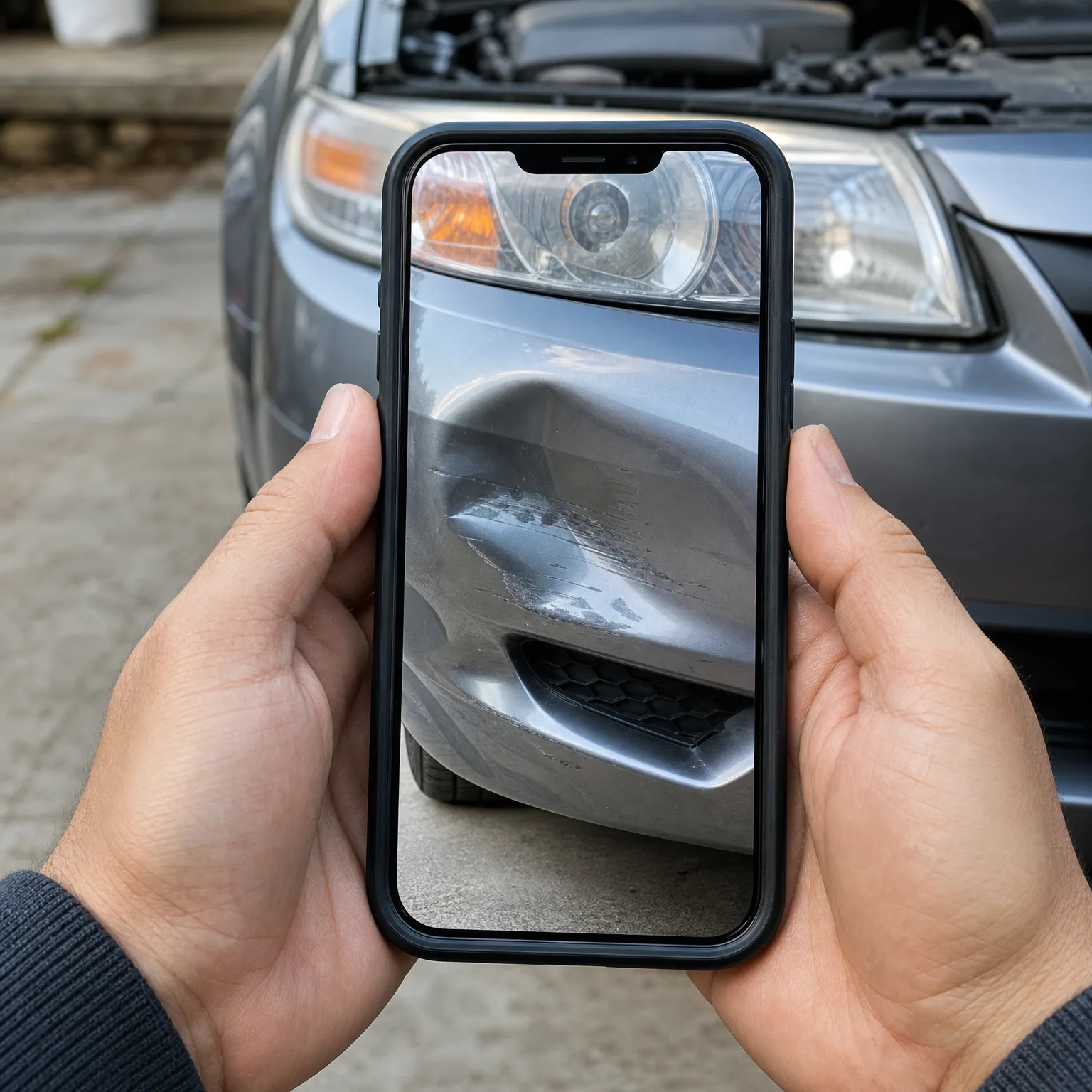
Lender Placed Insurance
Lender placed insurance is expensive coverage your lender buys when it thinks your coverage lapsed, and you can usually avoid it.

A driver switched insurers and the loan letter still arrived
A driver paying off a car loan switched to a new insurer to save money. The new policy started the same day the old one ended, so there was no actual gap. But the lender's system didn't get updated right away, and a notice went out warning that coverage appeared to be missing and that lender placed insurance would be added if nothing changed.
The driver called the lender, gave the new policy number and the agent's contact information, and asked them to verify it directly with the insurer instead of waiting on paperwork. The lender confirmed coverage within a few days and canceled the placement before any charge hit the loan. Nothing on the loan terms changed. The lesson the driver took from it was to send proof of insurance to the lender directly every time they switch, instead of assuming the insurer's notice would get there first.
Can you get lender placed insurance removed after it's added?
Yes. Once you show the lender proof that you had continuous coverage, they remove the placed policy and refund or reverse whatever portion of the charge overlapped with your real coverage. The key word is continuous. If there was an actual gap, even a short one, the lender will usually only remove the charge for the days you were actually covered.
To get it removed, call the lender directly rather than waiting for mail to cross. Ask what proof they need, usually a declarations page or a letter from your insurer showing the exact dates of coverage. Keep a copy of whatever you send and ask for confirmation once it's processed, since removal isn't always immediate.

The choice is keeping proof of insurance current with the lender
If you do
Your insurer or you send updated proof whenever you switch policies, change coverage, or renew. The lender's file stays current, no placement notice goes out, and your loan payment stays whatever it already was. You keep choosing your own insurer and your own deductible the whole time.
If you don't
A gap, a lapse, or just a slow paperwork update can trigger a placement notice. If it isn't cleared in time, the lender adds its own policy, bills you for it, and that charge is usually folded into your loan payment until you prove you were covered and get it reversed.
Now that you know how to avoid lender placed insurance, compare quotes and send your lender proof right away.
What keeps lender placed insurance off your loan
- Know what the lender requires Your loan agreement sets minimum coverage types, not just that you need insurance. Read that section once so you know the floor you can't go below.
- Confirm the loss payee is listed The lender needs to be named as loss payee on your policy so it gets notified directly. Check your declarations page and fix it immediately if the lender isn't listed correctly.
- Send proof after switching Don't assume your new insurer will notify the lender fast enough. Email or upload proof of continuous coverage to the lender yourself the same day your new policy starts.
- Watch for placement notices These letters usually give you a short window to respond before charges start. Open any mail from your lender about insurance right away, even if you're sure you're covered.
- Ask before lowering coverage Dropping coverage below what the loan requires can trigger a placement even if you're not at fault for a lapse. Call the lender first if you're thinking about reducing coverage.
Why lenders place their own insurance and why it costs more
A lender has a financial stake in your car until the loan is paid off, and that stake exists whether or not you're thinking about it day to day. If your insurance lapses, the lender's collateral is suddenly unprotected, so most loan agreements give the lender the right to buy a policy and bill you for it the moment their records show no coverage. This isn't a penalty in the legal sense. It's the lender protecting its own interest, and the policy they buy protects their interest only, not yours.
That's the core reason it costs more and covers less than what you'd buy yourself. A lender placed policy typically only covers damage to the vehicle up to the loan balance, not liability for other people or property, and not your own medical costs. The lender isn't shopping for your best rate or your driving history, they're buying a blanket policy that treats every borrower the same, and that pricing reflects risk across everyone in that pool, not you specifically.
Where this plays out differently is in how fast lenders act and how they verify coverage. Some update their records automatically when your insurer reports to them electronically, so a lapse or switch barely causes a ripple. Others rely on paperwork or your own notification, which means timing matters more and a short administrative delay can look like a real gap even when it isn't. Check how your specific lender verifies coverage, since that tells you how careful you need to be when you switch policies.
The other variation is what counts as sufficient coverage in the first place. Some loan agreements only require comprehensive and collision up to a certain value, others spell out specific deductible limits or require gap coverage if you owe more than the car is worth. None of this is universal, so the loan documents themselves are the real source, not general assumptions about what lenders typically want.
What is a loss payee on a car insurance policy?
A loss payee is the lender listed on your policy so that if the car is totaled or stolen, the insurance payout goes toward the loan balance first, with any remaining amount going to you. It's how the lender confirms you have coverage without contacting you directly, and it's required by almost every auto loan. Check your declarations page to make sure the lender's name is listed exactly as they specified.
What happens if my car is totaled and I still owe more than it's worth?
Your insurer pays the car's market value, not what you owe, and that payout goes to the lender first. If the payout is less than your loan balance, you still owe the difference unless you have gap coverage, which pays that remaining amount. Check your loan agreement for whether gap coverage was required or included, since that determines whether this gap is your responsibility.
Can I lower my coverage once the car loan is paid off?
Yes, once the loan is paid off the lender no longer has a financial interest in the car, so their coverage requirements no longer apply. At that point the decision becomes yours based on the car's value and what you can afford to replace out of pocket. Confirm the loan is fully released with the lender first, since a final payment and a formal payoff aren't always the same day.