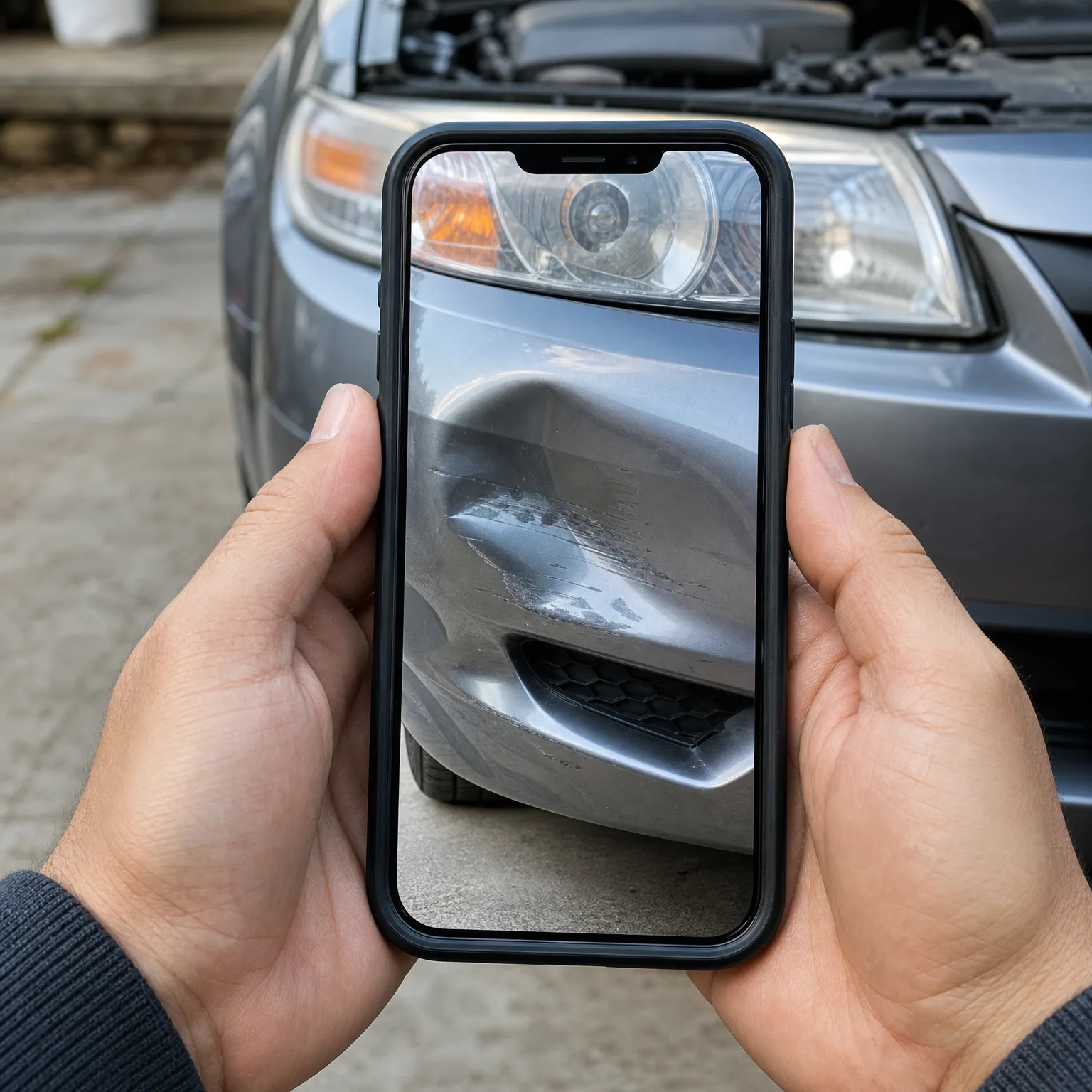
Lenders as Loss Payees
A loss payee clause lets your lender get paid directly if your car is totaled or stolen, before any money comes to you.

When the claim check has two names on it
A driver financing a sedan through a credit union got rear-ended badly enough that the insurer declared it a total loss. The payout came in as a single check made out to both the driver and the credit union, since the loan paperwork had named the credit union as loss payee. The driver assumed they'd deposit it like any other check and move on, but the bank required its own signature before releasing funds, and only the amount left after the loan balance was paid out came to the driver.
The driver called the lender early, as soon as the car was declared a total loss, instead of waiting for the check to arrive. That meant the payoff amount was already confirmed and the lender's release process started before the insurer even finished paperwork, which saved most of a week of back and forth. The loan was closed out of the settlement, and the remaining few hundred dollars came to the driver about ten days later. Nothing about the coverage itself needed to change for any of this to happen correctly, it was simply how a loss payee claim works when a financed car is totaled.
What happens if the car is totaled and I still owe more than it's worth?
The insurer pays out based on the car's value at the time of the loss, not on what you still owe. If your loan balance is higher than that payout, you're responsible for the difference unless you have a separate add-on coverage that specifically closes that gap. That coverage isn't automatic and isn't offered by every insurer, so you have to check whether your policy includes it.
This gap is most likely right after you take out a loan, when the balance is highest relative to the car's value, and it shrinks as you pay the loan down. If you're not sure whether you're exposed, compare your current loan balance to what similar cars are actually selling for, not what you originally paid. That tells you whether this is a real risk for you right now or one that's already behind you.
The lender's name on the policy decides who gets paid first and who signs off on repairs or a settlement.
Once you know what your lender actually requires, compare quotes that meet it without extra cost.

Whether you keep coverage matched to what the loan requires
If you do
Your lender stays satisfied and won't flag the account or add its own coverage on top of yours. Claims involving the car get processed with the lender listed correctly, so payouts go where they're supposed to and nothing stalls over paperwork.
If you don't
If coverage drops below what the loan requires, the lender can notice during a routine check or after a claim. They're allowed to buy coverage on your behalf to protect their interest, and it's usually costlier and less useful to you than a policy you chose yourself.
Why the lender gets a say at all
When you finance a car, the lender technically owns part of its value until the loan is paid off. The loss payee clause exists to protect that stake. It gives the lender the right to be paid directly if the car is totaled or stolen, so their money isn't left depending on you to pass it along.
This is why lenders set minimum coverage rules, usually requiring coverage for damage to the car itself, not just damage you cause to others. A car with a loan outstanding is collateral, and the lender wants it protected against the same risks that could wipe out its value, whether that's a collision, weather, theft, or vandalism. Without that kind of coverage, a lender's collateral could disappear with no way to recover the loss.
What counts as meeting those rules varies by lender and sometimes by state, particularly around how low a deductible can go or whether certain add-on coverages are required. Some lenders check coverage actively, others rely on you to maintain it and only step in if a claim reveals a gap. Either way, the requirement usually isn't negotiable while the loan is active, but it also isn't permanent.
Once the loan is paid off, the lender has no more claim on the car, and the loss payee is removed from the policy. At that point every coverage decision is yours alone, based on what you can afford to lose, not what a lender requires you to carry.