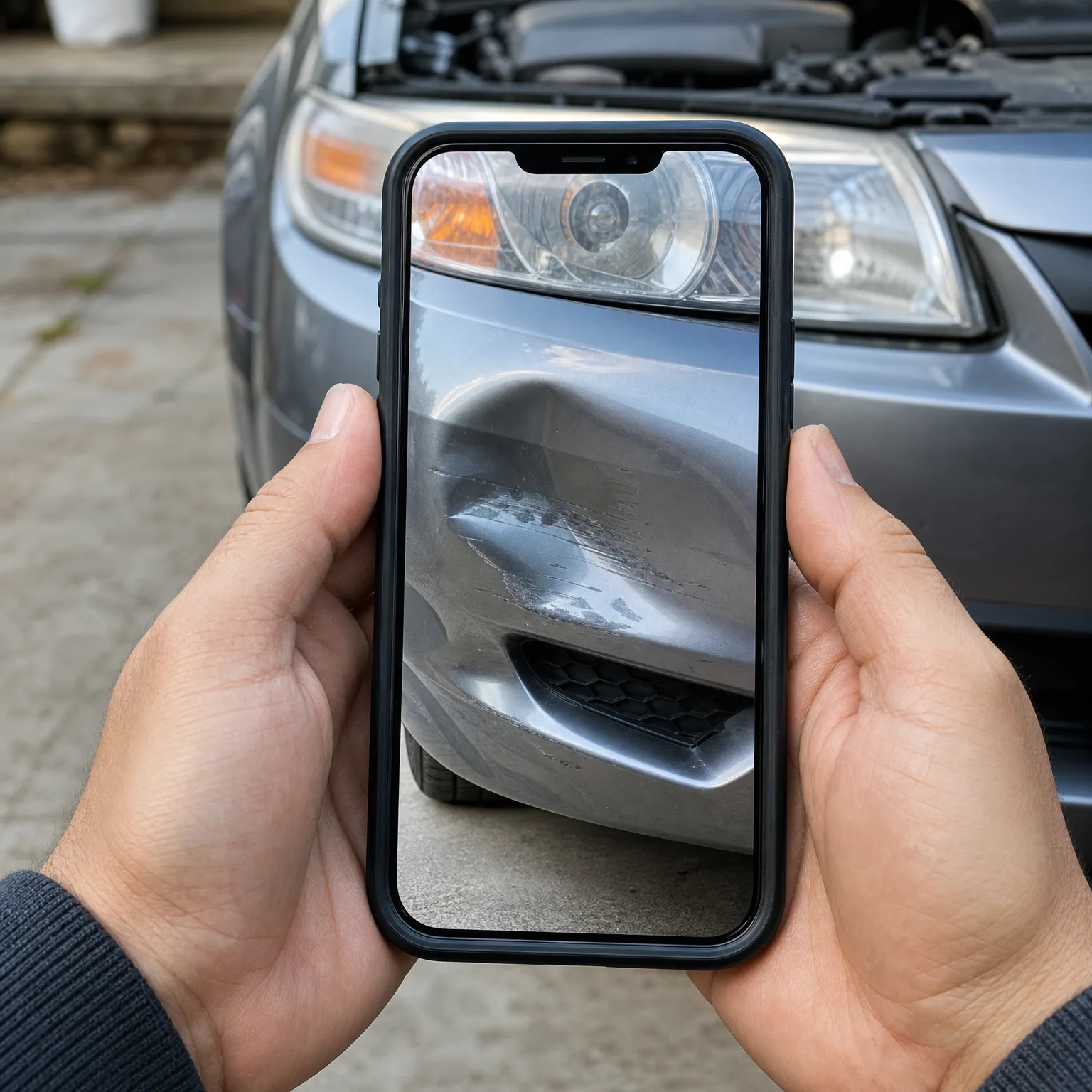
Missing Insurance Payments on a Financed Car
A lapse puts your loan in default risk and can trigger lender-placed insurance that costs far more than your own policy.
The lender protects its stake in the car, not you
Your loan agreement almost certainly requires continuous insurance coverage, because the car is collateral. The lender's name sits on the policy as loss payee, which means if the car is totaled or stolen, the insurance company pays the lender first for what's owed, and you get whatever is left. That arrangement only works if a policy is actually in force.
Insurers report lapses to lenders through a tracking system most people never see. When your coverage ends, even for a short gap, the lender usually finds out within weeks, sometimes faster. They don't wait to see if you'll fix it. Many will immediately buy a policy on your behalf and bill you for it, and that policy is built to protect their financial interest, not yours. It typically covers only the car, not you, your passengers, or anyone else involved in an accident.
This is where the math gets painful. Lender-placed coverage is priced for risk and convenience, not competition, since you're not the one shopping for it. The premium gets added to your loan balance, which means you're now paying interest on insurance costs. Miss payments on that and you've compounded a coverage problem into a bigger debt problem, all while still technically being in default on the loan terms.
What varies is how fast this escalates and what your specific lender does first. Some send warnings and a grace period before force-placing anything. Others act almost immediately. Your loan documents will say what's required and what happens if you don't comply, so that's the first place to look before guessing at the timeline.
What to do before a gap becomes a default
- Check your loan documents Your financing agreement states the minimum coverage required and what counts as a lapse. Read it before assuming you know the rules, because requirements vary by lender.
- Call before you cancel If you're thinking about dropping coverage to save money, call your lender first. Ask what happens to your loan status and whether there's a grace period you don't know about.
- Watch the renewal date Most lapses happen because a policy expired and nobody noticed, not because someone chose to go without coverage. Set a reminder a few weeks before renewal so you're not caught off guard.
- Fix a lapse immediately If your coverage already ended, buy a new policy right away and send proof to your lender yourself. Don't wait for them to notice, because acting first can stop lender-placed insurance before it starts.
- Ask about removing force policy If a lender already added their own policy, you can usually replace it once you show proof of your own insurance. Ask exactly what proof they need and how fast they'll remove the charge.

Letting coverage lapse versus keeping it current
If you do
If you let coverage lapse, expect a notice from your lender within weeks. They may force-place a policy automatically, adding a much higher premium to your loan balance. You're now paying more, covered for less, and technically in default, which can affect your loan terms and your ability to refinance later.
If you don't
If you keep coverage current, your loan stays in good standing and the lender has no reason to intervene. You control your own policy, your own coverage limits, and your own costs. Renewal reminders and autopay are the easiest ways to make sure a gap never happens by accident.
Once you know what your loan requires, compare quotes to find coverage that satisfies the lender without overpaying.

A policy canceled for nonpayment without anyone noticing
A driver set up their car insurance when they bought the vehicle and never changed the payment method afterward. Their card expired, the renewal payment failed, and the policy canceled automatically. They didn't find out until a letter arrived from their lender saying coverage had lapsed and a replacement policy would be added to the loan if proof of insurance wasn't provided within a set window.
They called their own insurer first, discovered the policy could be reinstated by updating the payment method and paying what was owed, and did that the same day. Then they sent proof of the reinstated policy directly to the lender before the deadline in the letter. Because they acted before the window closed, no lender-placed policy was ever issued and no extra charge hit their loan. The whole thing cost them an afternoon of phone calls instead of months of inflated payments.

How long can insurance lapse before my lender finds out?
It depends on the lender's tracking system, but many find out within a few weeks through automated reporting from insurers. Some act faster than others. Check your loan agreement for the specific grace period, since relying on a guess about timing is risky and some lenders move the moment they're notified.
Can I remove lender-placed insurance after it's added?
Yes, usually by providing proof of your own qualifying coverage. Contact the lender directly and ask exactly what documentation they need and how it gets applied to your loan balance. Some will refund the prorated cost of their policy once yours is verified, others only stop future charges, so ask specifically which applies.
Does missing one insurance payment count as a loan default?
It can, because most loan agreements treat a coverage lapse as a violation of the financing terms, separate from missing a loan payment itself. Whether it triggers formal default notices or just a warning depends on your lender's policies. Read the default clause in your loan documents to see exactly what counts and what the consequences are.