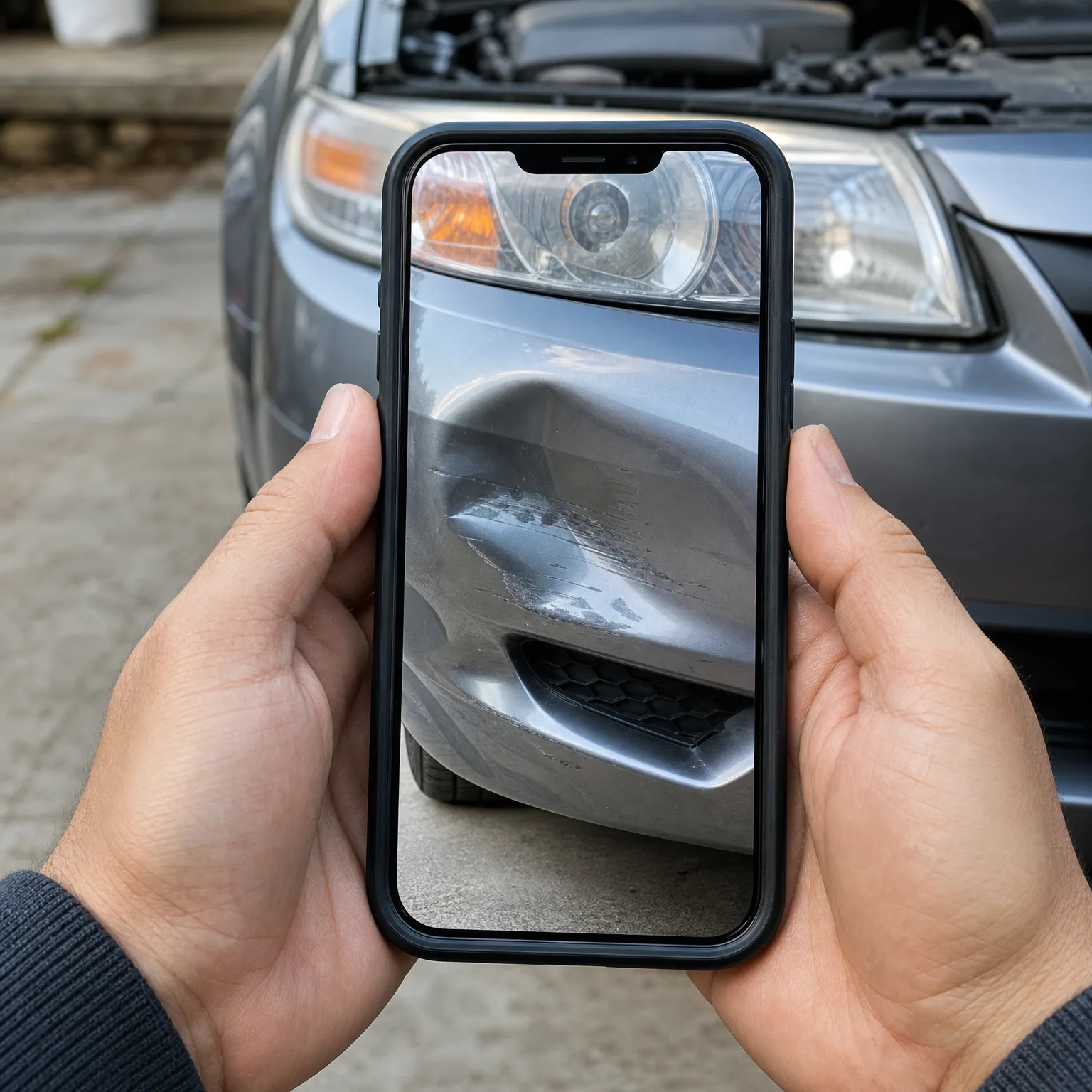
Proof of Insurance for Your Lender
Your lender needs proof that comprehensive and collision coverage are active and that it's named as loss payee on the policy.
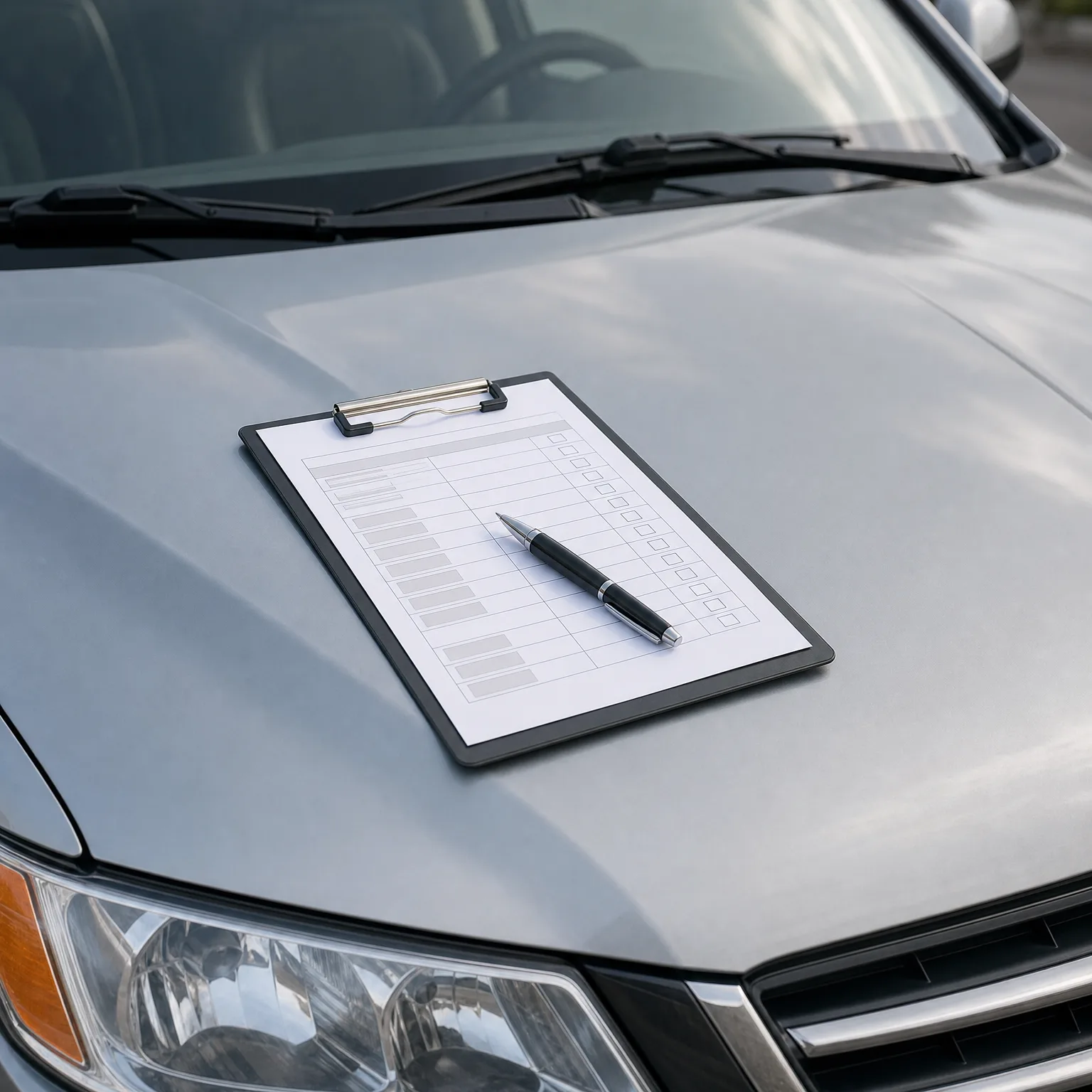
What your lender actually checks for
- Loss payee listed This means your lender gets notified directly if your policy changes or lapses. Confirm with your insurer that the lender's name and loan number are listed correctly on the policy.
- Comprehensive and collision These cover damage to your own car, which is what protects the lender's financial interest in it. Liability alone usually won't satisfy the loan requirement, so check your declarations page for both.
- Deductible limits Some lenders cap how high your deductible can be. Ask your loan servicer if there's a maximum, since picking one too high could put you out of compliance even if you're otherwise covered.
- Continuous proof on file Your insurer usually sends proof automatically when you bind or renew a policy, but gaps happen during switches. Ask your new insurer to send proof the same day old coverage ends.
- Gap coverage if relevant If you owe more than the car is worth, this pays the difference if it's totaled. It's not always required, but check your loan documents or ask your lender directly whether it's mandatory for your loan.
What if I let coverage lapse by accident?
Your lender finds out, usually within a short window after your insurer reports the lapse. Most loan agreements give the lender the right to buy a policy on your behalf and add the cost to your loan if you don't fix it quickly.
That lender-placed policy is built to protect the lender, not you. It typically costs more than a standard policy, covers only the vehicle's value, and offers you none of the liability protection you need for driving legally. It can also apply retroactively to the date coverage lapsed.
The fix is fast if you catch it early. Get a new policy active, send proof directly to the lender, and ask them to reverse any placeholder charges. Most lenders will do this without issue if you act before the next billing cycle closes. The real risk is letting it sit, since those charges can compound and become harder to unwind.

Sending proof the moment you switch insurers
If you do
Your lender's records update immediately, so there's no gap for them to flag. Your new insurer sends proof automatically or you forward it yourself. No lender-placed coverage gets triggered, no extra charges show up on your loan statement, and you keep full control over your rate and deductible.
If you don't
Your lender may not see active coverage in their system, even if you're actually insured. After a short grace period, many will assume a lapse and add their own policy to your loan, often at a much higher cost. Fixing it later means proving continuous coverage and requesting a refund.
Once you know what your lender requires, compare quotes that meet it without paying for coverage you don't need.
Switching insurers mid-loan without a coverage gap
A driver three years into a car loan found a cheaper policy with similar coverage elsewhere. She didn't want a lapse to trigger a lender-placed policy, so she called her new insurer before canceling the old one and asked them to set the start date for the exact day the old policy ended. She also asked them to list her lender as loss payee using the loan number from her statement, since the old policy had it listed slightly differently.
The new insurer sent proof of coverage straight to the lender the day the policy went live. She kept a copy of the confirmation email in case anything got lost. Her lender's system updated within the week, and because there was no gap in the lender's records, nothing about her loan terms or monthly payment changed. The whole switch took less effort than she expected once she had the loss payee information in hand.

Can I drop collision coverage before the loan is paid off?
No, not if your lender requires it, which most car loans do until the loan is satisfied. The requirement is tied to the loan itself, not your personal preference for risk. Check your loan agreement or ask your lender directly, since dropping it without approval can trigger a lapse notice even if you still carry liability coverage.
Does the loss payee change once the loan is paid off?
Yes, you should remove the lender from your policy once the loan is fully paid. Ask your lender for a lien release or satisfaction letter, then send it to your insurer so they can update the policy. Until you do this, the lender may still receive notifications about your coverage even though they have no further financial interest in the car.
What happens to my insurance if my car is totaled while I still owe money?
Your insurer pays out based on the car's value, and that payment typically goes to the lender first since they're listed as loss payee. If you owe more than the payout, you're responsible for the difference unless you have gap coverage. Check your policy and loan balance together to see where you'd stand.