Whose Insurance Covers When You Borrow a Car
The car's own insurance pays first, and your policy backs it up only if there's a gap left over.
Why the car's policy pays first
Insurance follows the vehicle, not the person driving it. When you borrow a car, you're using someone else's property, and the policy attached to that property is the one built to respond first. The owner bought that coverage knowing other people might end up behind the wheel occasionally, and insurers price policies with that in mind.
Your own policy doesn't disappear, it just steps back into a secondary role. If the owner's coverage runs out, say the damage or injury costs more than their limits allow, your policy can pick up what's left, assuming you have coverage that applies in someone else's car. This is why liability limits matter even if you rarely drive anyone else's vehicle.
Permission is the hinge everything turns on. If the owner said yes, even loosely, their insurer generally treats you as a permitted driver and covers the claim the same way it would if the owner had been driving. If you took the car without asking, or used it in a way the owner never agreed to, that permission breaks down and their insurer can deny the claim entirely, leaving you exposed on your own.
State rules and individual policies both shape the details, including how deductibles get handled and whether there are exclusions for regular drivers who were never added to the policy. If you borrow a particular car often, check with the owner's insurer what counts as permitted use and whether you should be listed as a driver.
What if the car's owner doesn't have insurance at all?
Then there's nothing for their policy to provide, and your own insurance becomes the primary coverage for the accident. This is one of the few situations where your policy responds first instead of second, so your liability limits and any collision or comprehensive coverage you carry are what actually pay.
This is also why it's worth asking, before you borrow a car regularly, whether the owner is actually insured. A quick question avoids a situation where you assumed a backup existed and later found out it didn't. If you drive someone's uninsured car often, your own policy is doing all the work, so make sure its limits reflect that.
Once you know whose policy answers first, compare quotes that make your own coverage a solid backup.

Being added as a listed driver on the car you borrow
If you do
The owner's insurer already expects you behind the wheel, so claims move faster and there's no question about permission. Your presence on the policy is documented, which matters if you borrow the car often or for long stretches, since insurers look more closely at frequent, unlisted use.
If you don't
You can usually still drive occasionally with permission and be covered, but frequent or long-term use without being listed can raise questions during a claim. The insurer may ask why you weren't added, and in some cases that can slow down or complicate how the claim gets handled.
What decides whose coverage responds
- Permission to drive If the owner allowed it, their policy treats you like any other driver they'd approve. Get clear, even informal, permission before borrowing, and keep it consistent if it's a regular arrangement.
- Your own liability limits Your policy may need to cover costs beyond what the owner's policy pays. Check your limits now, not after an accident, especially if you borrow cars with minimal coverage.
- Excluded or unlisted drivers Some policies exclude people who aren't named, especially household members. Ask the owner directly whether their policy has this kind of exclusion before you drive regularly.
- Deductible responsibility Someone has to pay the deductible when a claim is filed, and that's often worked out between you and the owner beforehand. Settle this detail before an accident forces the conversation.
- Business or rideshare use Personal auto policies typically exclude borrowed-car use for deliveries, rideshare, or other paid work. Don't use a borrowed car for these purposes unless the owner's policy explicitly allows it.
Borrowing a friend's car for a weekend trip
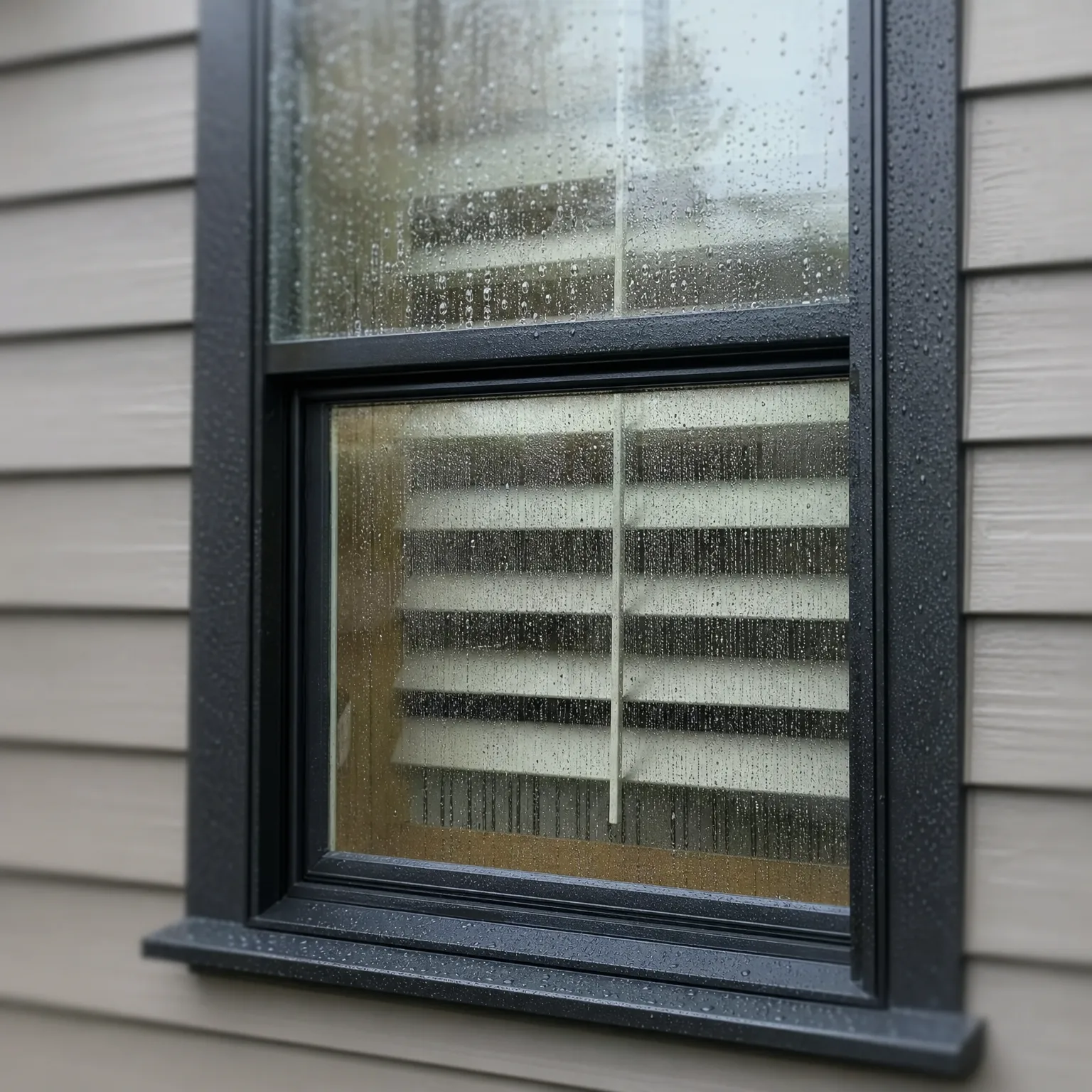
You ask a friend if you can borrow their car for a weekend trip, and they say yes without much thought beyond handing over the keys. During the trip, another driver rear-ends you at a stoplight. You exchange information and call your friend first, since it's their car, and then file the claim through their insurer because they're the ones who carry the policy on the vehicle itself.
Their insurer treats you as a permitted driver since you had clear permission, so the claim moves forward the way it would if your friend had been driving. The other driver's insurer ultimately covers the damage because they were at fault, but if there'd been a dispute or costs beyond what your friend's policy covered, your own liability coverage would have been the next place to look. Your friend's deductible applies to their claim, and the two of you had already talked about splitting it if anything happened, so there's no awkward negotiation afterward.