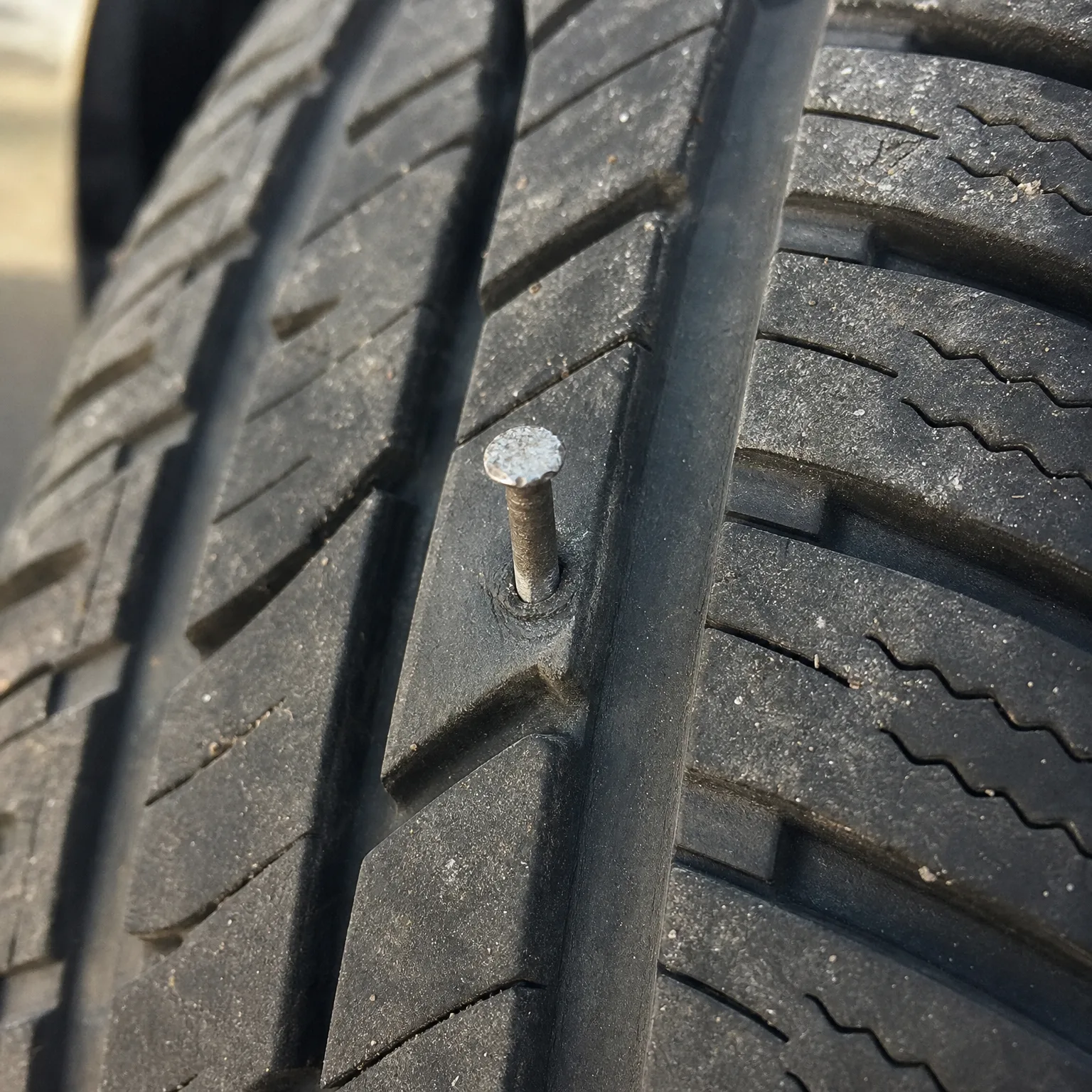
Do I Need Full Coverage on a Paid-Off Car
No, once your loan is paid off you're free to drop full coverage, but the right choice depends on the car's value and your finances.
The lender's rule disappears, but the math behind it doesn't
Full coverage was never about protecting you. It existed because your lender had a financial stake in the car and wanted assurance that if it was wrecked or stolen, there would be money to cover what was owed. Once the loan is gone, that requirement goes with it. Nobody is checking your policy anymore. The decision becomes entirely yours, which is both the freedom and the problem.
Without a lender in the picture, the question changes from what are you required to carry to what can you afford to lose. Full coverage, meaning collision and comprehensive together, pays to repair or replace your own car. Liability, which stays mandatory everywhere, pays for damage you cause to others. Dropping full coverage doesn't touch your legal obligation to carry liability. It only changes what happens to your own vehicle after an accident or a covered loss like theft or weather damage.
The case for keeping full coverage comes down to what the car is worth and what you'd do without it. If you couldn't comfortably replace the car out of pocket, the coverage is doing real work. If the car's value has dropped low enough that a payout wouldn't be much more than what you'd spend on premiums over a couple years, the math starts to favor dropping it. This is also where it varies by insurer and by state. Some insurers set a minimum value below which they won't even offer comprehensive and collision, and some states have different rules about what counts as a total loss. Check with your insurer directly rather than assuming.
There's also a middle path many people miss. You can drop collision, which is usually the pricier half, while keeping comprehensive, which covers theft, fire, and weather and tends to cost much less. That split can match the coverage to the actual risk instead of treating full coverage as all or nothing.
A car worth little, a driver who still wanted protection
A driver finished paying off a sedan that had a lot of miles on it. The lender's insurance requirement vanished the day the loan closed, and the first instinct was to drop full coverage immediately since nobody was requiring it anymore. But before making the change, the driver looked up what the car was actually worth now and compared that to what full coverage was costing per year.
The numbers were close enough that keeping comprehensive made sense, since theft and hail were real risks in the area, but collision looked like a bad trade since the payout wouldn't be much above what years of premiums had already cost. The driver dropped collision, kept comprehensive, and kept liability at the same level as before. The result was a lower bill that still protected against the losses that felt likely and costly, while accepting the risk that collision had been covering since that risk was less worth paying for.
How do I know if my car is worth keeping full coverage on?
Look up what your car would actually sell for in its current condition, not what you paid for it or what you think it's worth. Then compare that number to what full coverage costs you over a year or two. If the coverage costs close to what the car is worth, the math stops making sense.
Also weigh what losing the car would mean for you right now. If you couldn't easily cover a replacement out of savings, that changes the calculation even if the car's value is modest. This isn't just a spreadsheet decision, it's about what gap you'd be left with if the car were gone tomorrow.
Now that you know which coverage fits your paid-off car, compare quotes built around that choice.

Deciding whether to drop full coverage now that the loan is paid
If you do
Your premium drops, often noticeably, since collision and comprehensive are usually the most expensive parts of a policy. You keep liability, so you're still legal to drive. But if your car is stolen, totaled, or badly damaged, you pay for repair or replacement entirely yourself, with no payout to offset it.
If you don't
You keep paying for collision and comprehensive on a car with no lender attached. If it's damaged or stolen, you get a payout based on current value, not what you paid. You're protected against a sudden loss, but you're also spending on coverage whose cost may be close to what the car itself is worth.
What happens if I total a paid-off car with no full coverage?
You get nothing from your own insurer for the car itself, only liability coverage for damage to others. Whatever you were driving is a total loss you absorb alone. Check your savings and what a comparable used car costs before deciding this risk is acceptable. If you couldn't replace the car without financial strain, that's a sign to keep some coverage rather than drop it entirely.
Can I just keep comprehensive and drop collision instead?
Yes, this is usually allowed and many insurers treat them as separate coverages you can mix. Comprehensive covers theft, fire, and weather, while collision covers crashes, so you're choosing which risks matter more to you. Check with your insurer to confirm they allow this split rather than requiring both or neither. It often lowers your bill while keeping protection against the losses that feel most likely.
Will dropping full coverage lower my insurance score or future rates?
No, the coverage you carry doesn't affect your insurance score, which is based on your history and claims, not your current policy choices. What changes is simply your premium today and your protection going forward. Check that you're not confusing this with a lapse in coverage, which is different and can affect future rates. Carrying less coverage, by contrast, is a normal and penalty-free choice once a lender no longer requires it.
Once no lender is watching, the only deadline left is matching coverage to what the car is actually worth.