Risks of Liability Only Car Insurance
Liability-only coverage leaves you paying out of pocket for your own car's damage, no matter whose fault the crash was.
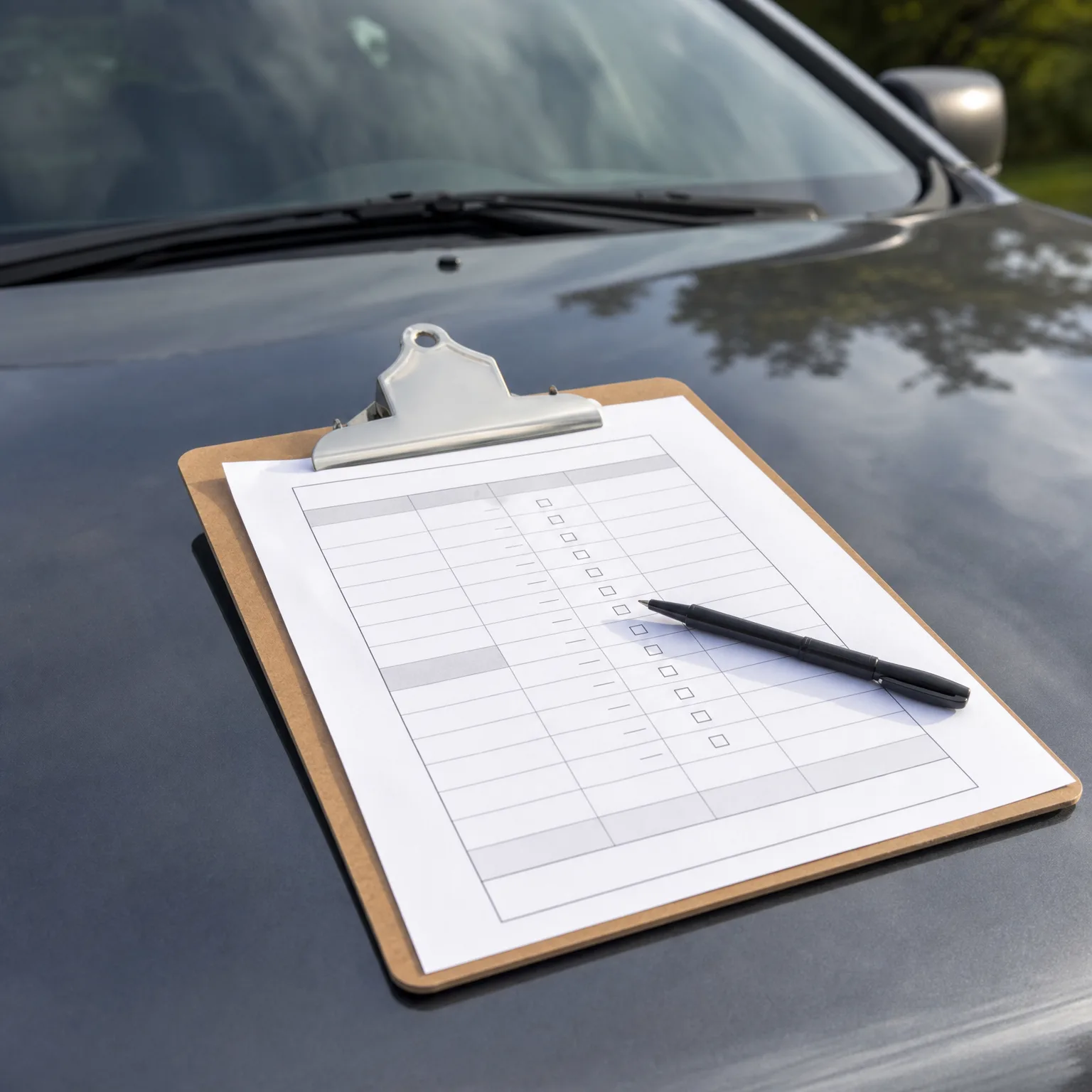
What liability-only coverage doesn't cover
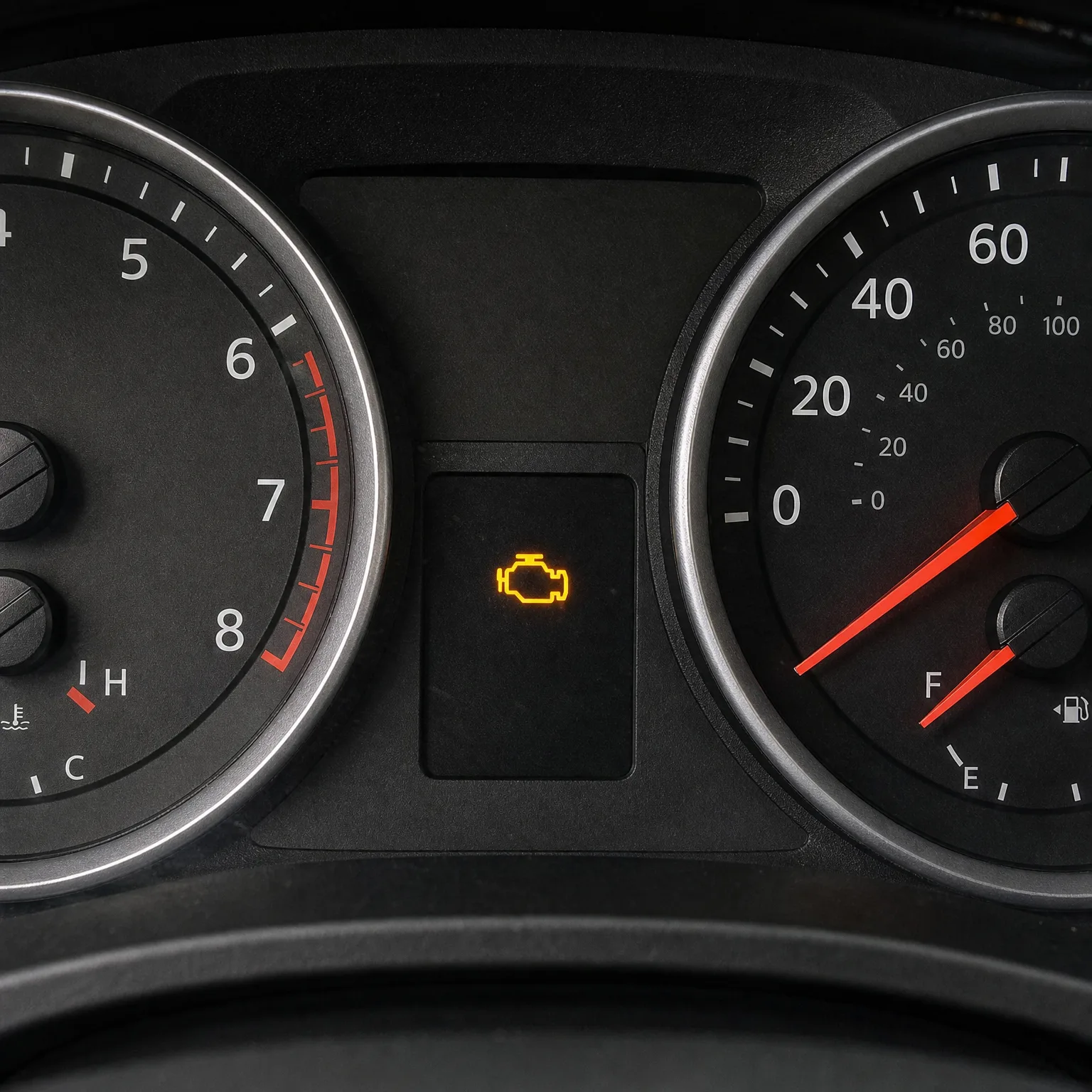
- Your own car's damage If you cause a crash or hit something, liability pays for the other side, not your car. You'd pay for repairs or replacement yourself, in cash.
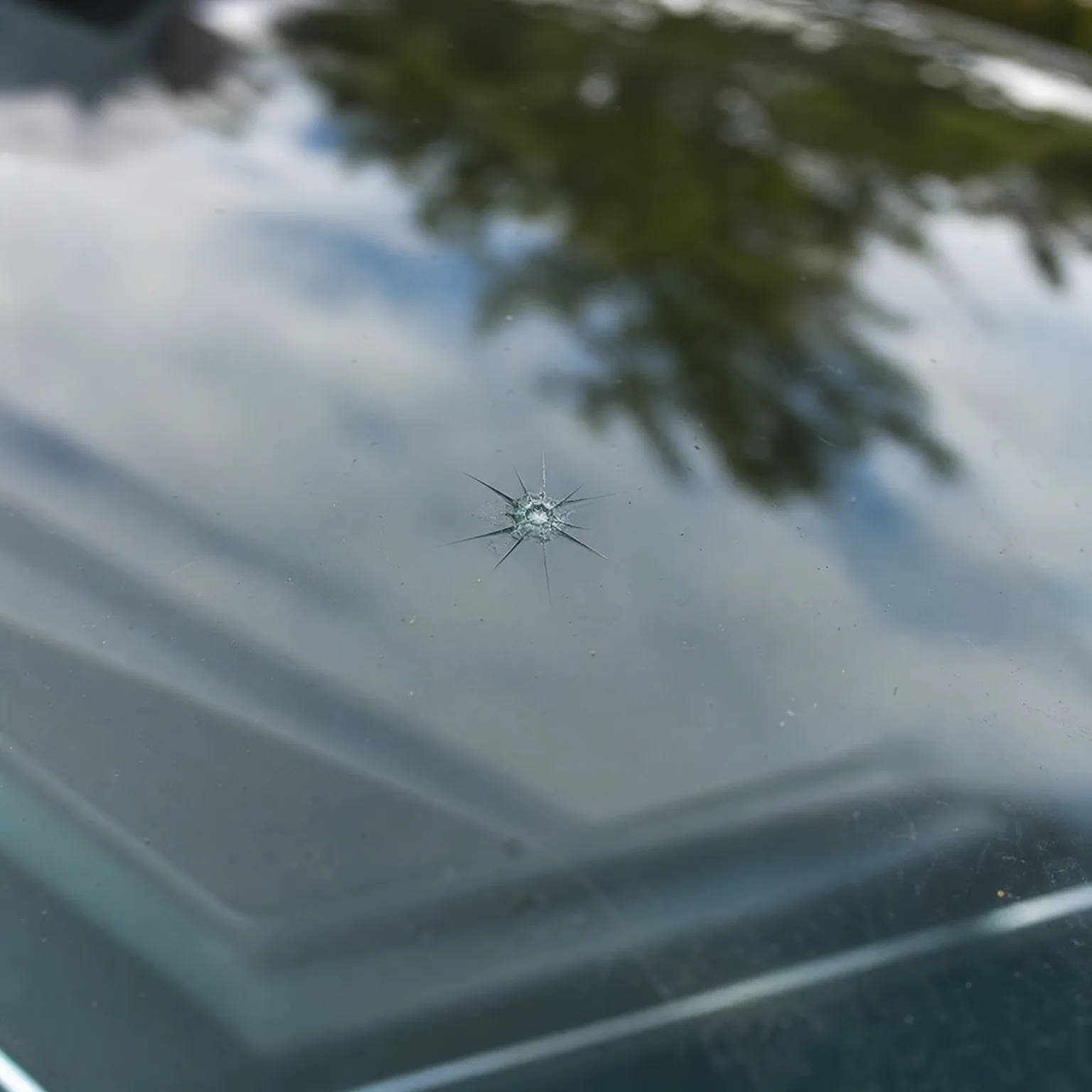
- Theft or vandalism Someone breaks a window or steals the car entirely and liability pays nothing toward it. Comprehensive coverage is what handles that, and it's separate.
- A driver with no insurance If the other driver has no coverage or not enough, liability alone won't help you recover your losses. Uninsured motorist coverage fills that gap and is worth checking on.
- A loan you still owe on If the car is totaled and you still owe money, liability-only won't pay off the loan or replace the car. You'd still owe the remaining balance with nothing to drive.
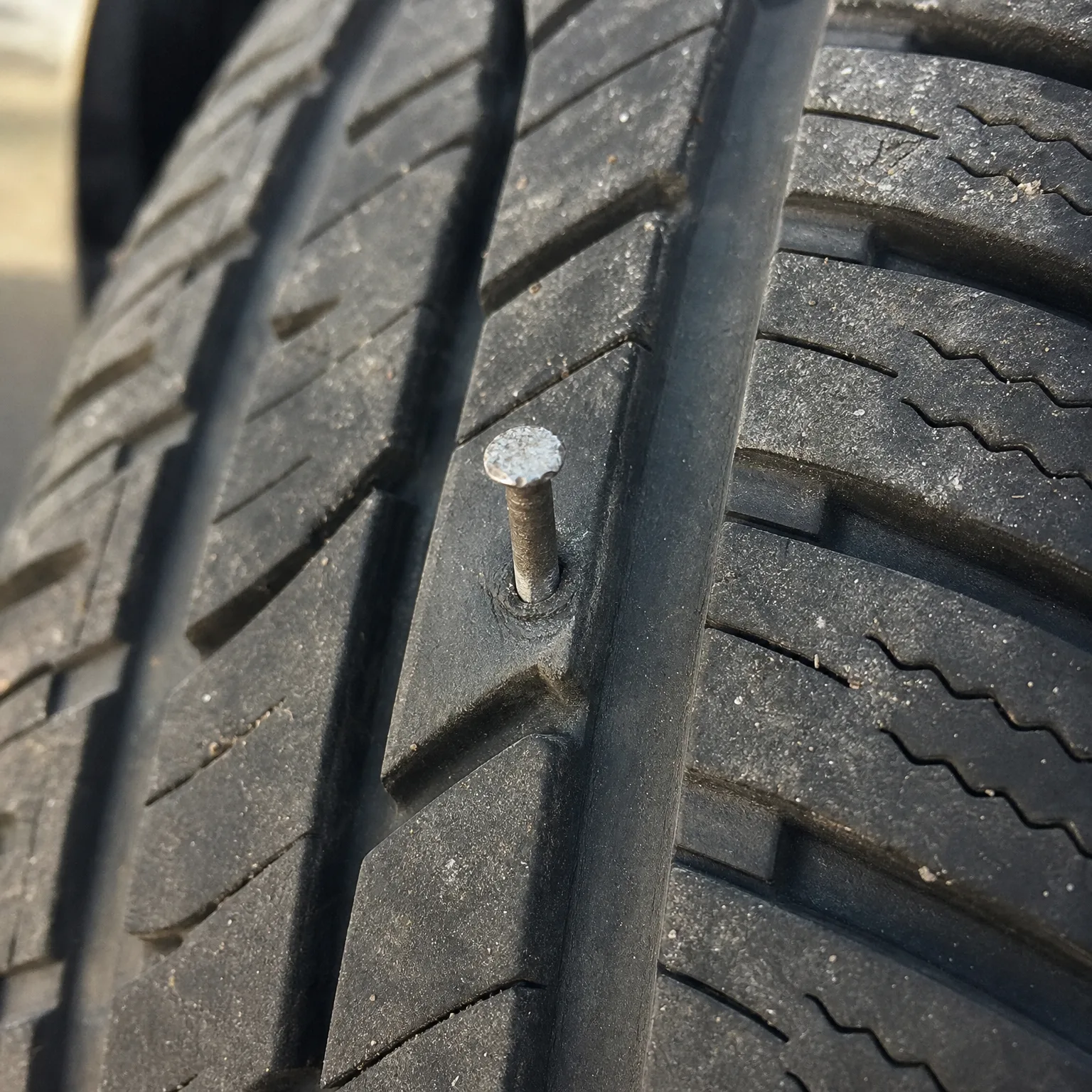
- Weather and road hazards Hail, floods, a deer in the road, none of that is covered by liability. Only comprehensive coverage responds to damage that isn't from a crash with another vehicle.
A paid-off car, an icy driveway, and a decision made years earlier
Someone had finished paying off their car two years back and dropped to liability-only soon after, since the loan no longer required full coverage. One winter morning the car slid on ice in their own driveway and hit a stone wall. The front end was badly damaged, the car undrivable.
Because they only carried liability, there was no coverage for their own vehicle. The wall wasn't another driver's car, so there was no one else's liability to lean on either. They paid for the repair themselves, several thousand dollars, and afterward decided the math had changed. The car was worth enough, and the repair painful enough, that they added comprehensive and collision back the following renewal, even without a lender requiring it.

Carrying only liability coverage
If you do
You pay less every month and that's the whole appeal. But if you cause a crash, hit an object, or the car is stolen or damaged by weather, you cover the full cost yourself. For an older, low-value car this is reasonable. For a car you'd struggle to replace, it's a real risk.
If you don't
Adding comprehensive and collision costs more each month, but it means your own car is protected too, whether you're at fault, someone else is, or no one is. If the car is financed, this likely isn't optional anyway. If it's paid off and worth little, you may be paying for protection you don't need.
Knowing what liability-only won't cover, compare quotes with full coverage included to see the real cost difference.
How do I know if my car is worth enough to need more than liability?
Look at what the car would sell for today, not what you paid for it, and compare that to what a repair or replacement would cost you out of pocket. If the car's value is low and you could absorb that loss without much trouble, liability-only is a defensible choice many people make deliberately.
If losing the car would be a financial problem, or you still owe money on it, that calculus changes. A lender will usually settle this for you by requiring comprehensive and collision until the loan is paid. Once it's paid off, the decision becomes yours alone, and it's worth revisiting rather than leaving coverage on autopilot from whenever you first set it up.

Can I switch back to full coverage later if I start with liability only?
Yes, you can add comprehensive and collision at any renewal or even mid-term in most cases. There's typically no penalty for adding it back, though the insurer may ask about the car's condition first. If your car's value rises relative to what a repair would cost, or your financial cushion shrinks, that's a good moment to reconsider.
Does liability-only insurance cover a rental car after my accident?
No, liability-only generally won't pay for a rental car while yours is repaired, since that benefit usually rides on top of collision or comprehensive coverage. Check your policy for a separate rental reimbursement add-on, which is sometimes available even without full coverage. Without it, you'd arrange and pay for a rental yourself.
Is liability-only insurance illegal in my state?
No, liability-only isn't illegal anywhere, but every state sets a minimum amount of liability coverage you must carry, and those minimums vary. Liability-only simply means you're carrying just that required protection and nothing extra for your own car. Check your state's minimum requirements directly, since carrying too little liability can itself leave you exposed.