What Does Insurance Clause Mean in a Car Loan
It's the part of your loan that requires you to keep physical damage coverage on the car until it's paid off.
A driver finds out their lender added coverage
A driver had let her comprehensive and collision lapse for a few months while she shopped for a better rate, not realizing her policy had already cancelled. Her lender noticed through the standard notice insurers send when a policy ends, and under the insurance clause in her loan, it added its own coverage to protect the car and charged her for it. The new charge showed up on her next loan statement, well above what she'd been paying before.
She called her lender first to understand exactly what had been added and for how long, then shopped for a regular policy that met the loan's stated requirements. Once she had proof of coverage, she sent it to the lender and asked them to remove the added coverage and credit back the overlap. It took one billing cycle to clear, but her payment returned to normal. She now keeps a calendar reminder a few weeks before each renewal so coverage never lapses between policies again.
Can my lender force me to buy coverage I don't want?
Yes, within limits. The insurance clause lets your lender require physical damage coverage, meaning comprehensive and collision, because that coverage protects the car that secures the loan. It generally can't dictate your liability limits, your insurer, or extras like roadside assistance.
What it can enforce is tied to the loan agreement itself, so the specifics vary by lender and by state. Some loan contracts spell out minimum deductible amounts or required coverage types in detail, others just say "adequate" coverage and leave interpretation looser. Read your actual loan paperwork, not just what a representative tells you on the phone, since the written terms are what govern if there's ever a dispute.
The clause protects the lender's stake in the car, not you, and that should shape what you negotiate.
Knowing what your loan requires, compare quotes that meet it without paying for coverage never asked for.
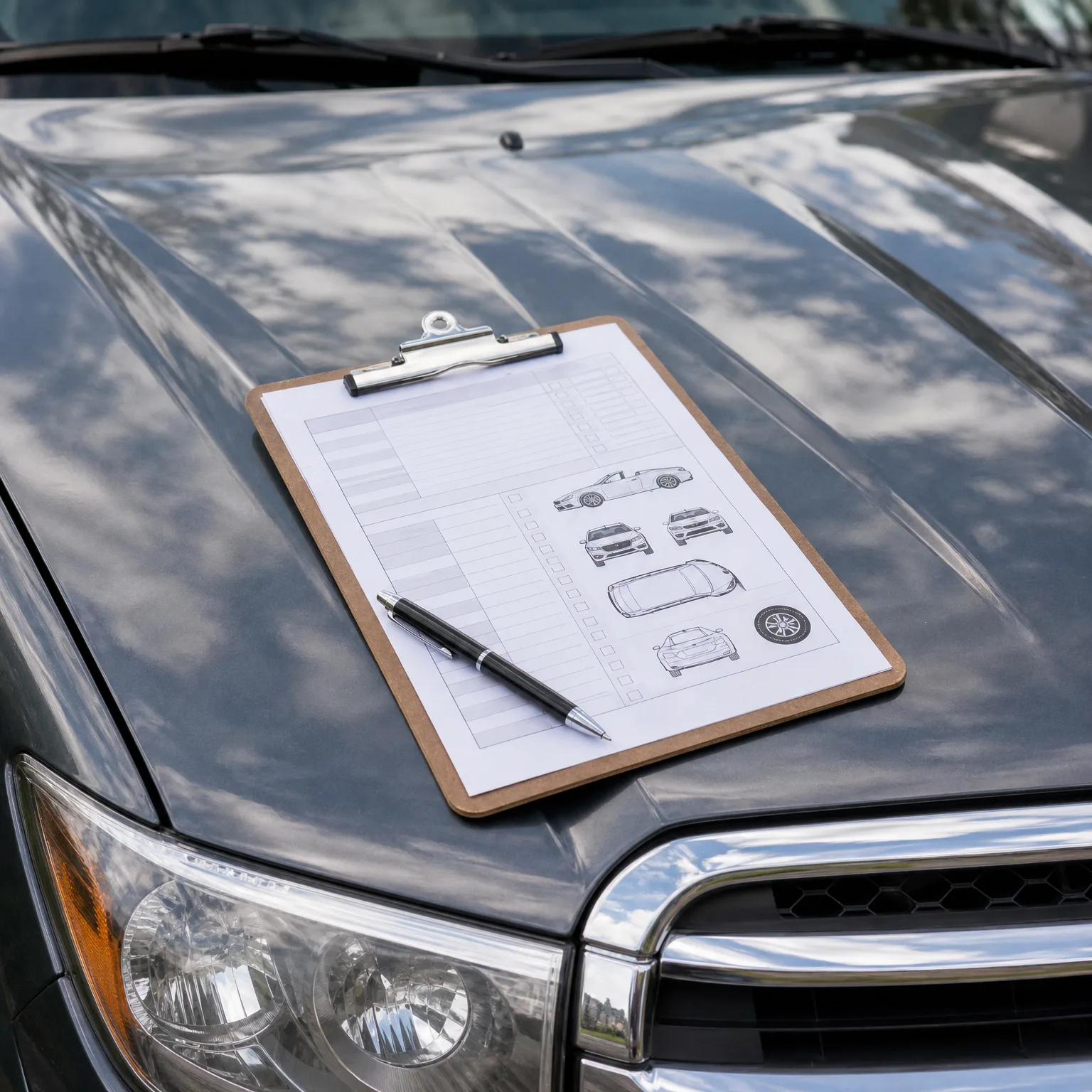
What the clause actually requires, point by point
- Physical damage coverage The clause almost always means comprehensive and collision, not just liability. This protects the car's value, which is the lender's collateral, not just other people on the road.
- The lender as loss payee Being listed as loss payee means any claim payout for damage to the car goes partly or wholly to the lender first. This is standard and doesn't cost you anything extra.
- A maximum deductible Many loans cap how high your deductible can be, since a huge deductible could leave too little payout to cover what you still owe. Check your loan documents for this number before you raise your deductible to save money.
- Lender-placed insurance risk If your coverage lapses, your lender can buy its own policy and bill you for it, usually at a much higher cost than what you'd pay on your own. Keep continuous coverage and send proof of renewal before any gap opens.
- What changes at payoff Once the loan is paid off, the clause no longer applies and you can adjust coverage to whatever you actually want. Remove the lender as loss payee only after you've confirmed the title is clear.

What is a loss payee on a car insurance policy?
A loss payee is the lender listed on your policy to receive claim payouts for damage to the car, ahead of or alongside you. It exists because the lender has a financial stake in the vehicle until the loan is paid off. Check your declarations page to confirm the lender's name and loan number are listed correctly, since errors here can delay claim payouts. This changes once the loan is paid off and you request removal.
Can I lower my deductible or drop coverage before the loan is paid off?
You can lower your deductible anytime, but you generally can't drop comprehensive and collision while the loan is active. Your loan agreement sets the floor for what's required, and dropping below it risks the lender adding its own coverage. Check your loan documents for the exact minimum coverage and maximum deductible allowed. This changes once the loan is paid in full, when the requirement disappears entirely.
What happens to the insurance payout if my financed car is totaled?
The insurer pays out based on the car's value, and the lender gets paid what's still owed before you see any remaining funds. If you owe more than the payout, you're responsible for the difference unless you have gap coverage. Check your loan balance against the car's estimated value periodically to see if you're at risk of owing more than it's worth. This changes as you pay down the loan and the balance drops below the car's value.