What Happens if My Engine Blows on a Financed Car
A blown engine from normal wear isn't covered by car insurance, financed or not, and you'll still owe the loan either way.
Insurance covers accidents and sudden events, not parts wearing out
Car insurance exists to pay for damage caused by a covered event, like a collision, a fire, a falling tree, or a theft. An engine that fails because it overheated, ran low on oil, or simply reached the end of its life isn't a covered event. It's mechanical failure, and every standard auto policy excludes that, whether the car is financed or paid off.
Your lender's rules don't change this. The loan agreement requires you to carry insurance so the car, their collateral, stays protected against loss. It doesn't promise that insurance will cover every way a car can stop working. The lender cares that the asset is insured against damage and theft, not that your engine lasts forever.
There are exceptions worth knowing. If the engine failure happened because of a covered event, say a wreck that damaged the engine, or a flood that flooded the block, then your collision or comprehensive coverage applies, minus your deductible. Some drivers also carry separate mechanical breakdown coverage, which is a different product entirely and has to be added on purpose. It's not part of standard liability, collision, or comprehensive coverage.
If the engine just dies on its own, you're left with two separate problems. The car needs an expensive repair or replacement, and the loan balance doesn't shrink just because the engine did. Those are financial and mechanical issues, not insurance claims, and keeping that distinction clear helps you figure out where to actually look for help, whether that's a warranty, a mechanic, or your own savings.

What to check before you assume you're covered
- Read your policy exclusions Look for the mechanical breakdown exclusion in your policy wording. It confirms engine failure from wear isn't a covered loss under collision or comprehensive.
- Check for a warranty If the car is newer or came with an extended warranty, that may cover engine failure instead. Call the warranty provider before you assume insurance is your only option.
- Ask about breakdown add-ons Some insurers sell mechanical breakdown coverage separately from standard coverage. If you don't already have it, you can't add it after the engine fails.
- Know your loan still stands The lender doesn't forgive the balance if the engine dies. You keep paying the loan regardless of whether the car runs.
- Separate cause from result If an accident caused the failure, that's a claim. If it just wore out, that's a repair bill you handle outside your policy.
A driver whose engine seized on the highway
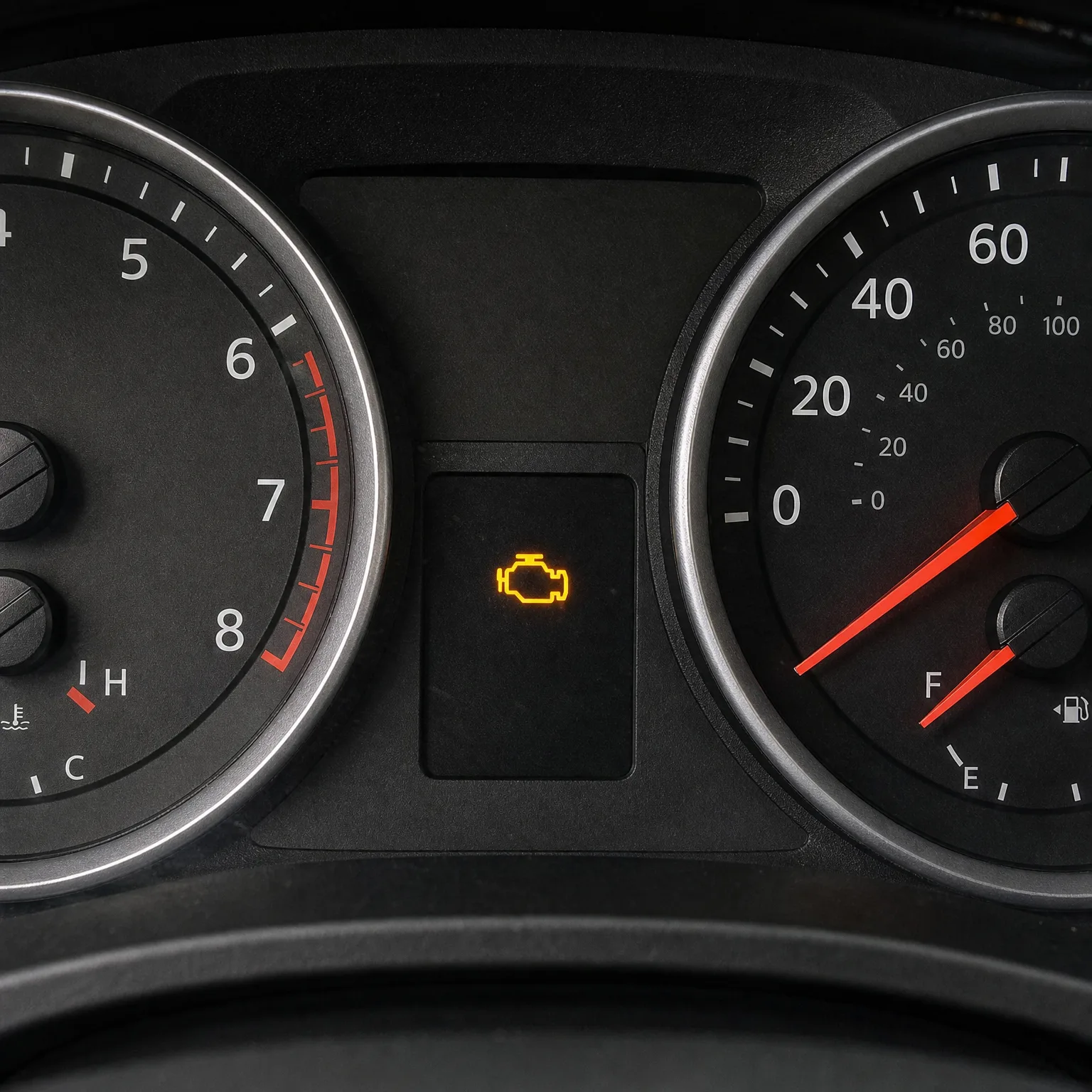
A driver financing a sedan noticed the oil light flicker for a few days but kept driving. On a highway trip the engine seized completely, and the car had to be towed. He called his insurer assuming collision coverage would pay for a new engine, since the car was still financed and he was still making payments every month.
The insurer reviewed the claim and denied it, explaining that the failure stemmed from lack of maintenance, not a covered event like a crash or weather damage. He checked his loan paperwork and confirmed the lender only required him to carry liability and physical damage coverage, nothing about mechanical failure. He ended up paying for a used replacement engine out of pocket and kept making loan payments on a car that was, for a few weeks, undrivable. He also added mechanical breakdown coverage afterward, so a future failure wouldn't leave him in the same spot.
Once you know what your policy actually covers, compare quotes to see if mechanical breakdown coverage is worth adding.

Does gap insurance help if my engine blows and I can't afford repairs?
No, gap insurance only pays the difference between what you owe and the car's value after a covered total loss claim. An unrepaired blown engine isn't a total loss claim unless a covered event caused it and the insurer declares the car a total loss. Gap coverage doesn't step in for mechanical failure or help you make loan payments while the car is out of service. Check your gap policy wording to confirm what triggers it.
Can I stop paying my car loan if the engine is unfixable?
No, the loan is a separate contract from the car's condition and you owe the balance regardless. If repair costs exceed the car's value, you'll need to decide between repairing, selling for parts, or refinancing while still covering the remaining debt. Talk to your lender early if you're considering walking away, since unpaid loans affect your credit and the lender can still pursue the balance. Check your loan terms for any hardship options.
Will my insurance rates go up if I file a claim for a covered engine-related loss?
It depends on your insurer and the cause of the claim, so check with your provider directly. Claims tied to accidents or weather typically affect rates differently than claims with no fault involved, like a flood. Ask your insurer how this specific type of claim is rated before you file, since policies and state rules vary. If you're unsure, a quick call can clarify without committing to a claim.
Insurance covers sudden events, not wear, so treat your engine's health as your job, not the policy's.